Diabetes Management
Diabetes Management
Diabetes Management
AI-Driven Multimodal Prediction of Gestational Diabetes and Postpartum Diabetes
AI-Driven Multimodal Prediction of Gestational Diabetes and Postpartum Diabetes
AI-Driven Multimodal Prediction of Gestational Diabetes and Postpartum Diabetes
Overview
Overview
Overview
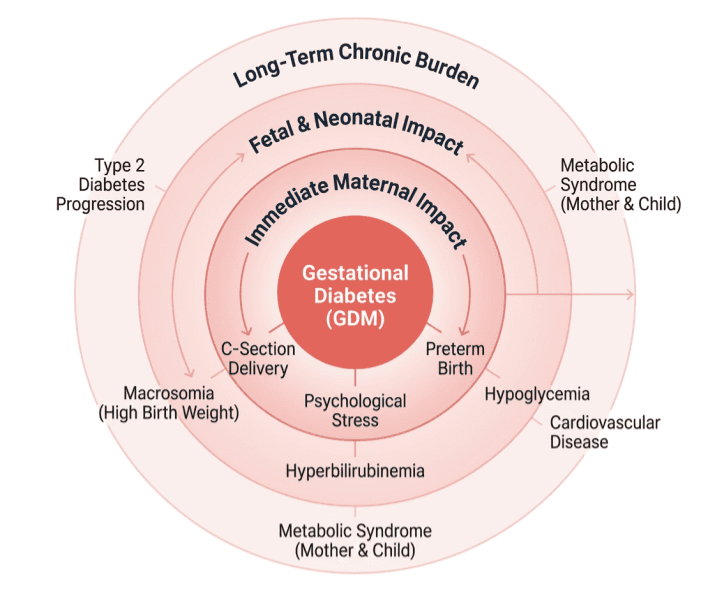
Gestational diabetes mellitus (GDM) affects about 16% of pregnancies worldwide and raises the risk of type 2 diabetes (T2D) nearly tenfold. Its prevalence in India, can reach one in four pregnancies and is linked to serious maternal and neonatal complications, including preterm birth, cesarean delivery, macrosomia, and newborn hypoglycemia.
Beyond pregnancy, women with prior GDM face a high annual T2D incidence, especially within five years postpartum. Both mothers and children also face long-term risks of cardiovascular disease and metabolic disorders. Current screening, mainly oral glucose tolerance testing at 24–28 weeks, often misses the ideal window for early detection. Hence, predicting late GDM in the first trimester is critical.
Artificial intelligence (AI) and machine learning (ML) can integrate diverse data including maternal, clinical, and metabolic data, to improve early and individualized GDM risk prediction, enabling timely intervention and better maternal and neonatal outcomes.
Gestational diabetes mellitus (GDM) affects about 16% of pregnancies worldwide and raises the risk of type 2 diabetes (T2D) nearly tenfold. Its prevalence in India, can reach one in four pregnancies and is linked to serious maternal and neonatal complications, including preterm birth, cesarean delivery, macrosomia, and newborn hypoglycemia.
Beyond pregnancy, women with prior GDM face a high annual T2D incidence, especially within five years postpartum. Both mothers and children also face long-term risks of cardiovascular disease and metabolic disorders. Current screening, mainly oral glucose tolerance testing at 24–28 weeks, often misses the ideal window for early detection. Hence, predicting late GDM in the first trimester is critical.
Artificial intelligence (AI) and machine learning (ML) can integrate diverse data including maternal, clinical, and metabolic data, to improve early and individualized GDM risk prediction, enabling timely intervention and better maternal and neonatal outcomes.
Gestational diabetes mellitus (GDM) affects about 16% of pregnancies worldwide and raises the risk of type 2 diabetes (T2D) nearly tenfold. Its prevalence in India, can reach one in four pregnancies and is linked to serious maternal and neonatal complications, including preterm birth, cesarean delivery, macrosomia, and newborn hypoglycemia.
Beyond pregnancy, women with prior GDM face a high annual T2D incidence, especially within five years postpartum. Both mothers and children also face long-term risks of cardiovascular disease and metabolic disorders. Current screening, mainly oral glucose tolerance testing at 24–28 weeks, often misses the ideal window for early detection. Hence, predicting late GDM in the first trimester is critical.
Artificial intelligence (AI) and machine learning (ML) can integrate diverse data including maternal, clinical, and metabolic data, to improve early and individualized GDM risk prediction, enabling timely intervention and better maternal and neonatal outcomes.
Our Goal
Our Goal
Our Goal
Our AI powered Gestational Diabetes Prediction Programme aims to improve Diabetes Management by:
Our AI powered Gestational Diabetes Prediction Programme aims to improve Diabetes Management by:
Our AI powered Gestational Diabetes Prediction Programme aims to improve Diabetes Management by:
Enabling gynecologists and endocrinologists with early risk stratification tools to enable timely and personalized preventive interventions
Enabling gynecologists and endocrinologists with early risk stratification tools to enable timely and personalized preventive interventions
Enabling gynecologists and endocrinologists with early risk stratification tools to enable timely and personalized preventive interventions
Enhancing maternal health outcomes through proactive, data-driven care resulting in healthy life post-partum
Enhancing maternal health outcomes through proactive, data-driven care resulting in healthy life post-partum
Enhancing maternal health outcomes through proactive, data-driven care resulting in healthy life post-partum
Develop multi-modal AI tool for early prediction of gestational and post-partum diabetes. The AI tools will be developed with standard of care data and/or curated data to enhance prediction accuracy.
Develop multi-modal AI tool for early prediction of gestational and post-partum diabetes. The AI tools will be developed with standard of care data and/or curated data to enhance prediction accuracy.
Develop multi-modal AI tool for early prediction of gestational and post-partum diabetes. The AI tools will be developed with standard of care data and/or curated data to enhance prediction accuracy.
Team & Collaborators
Team & Collaborators
Team & Collaborators
Principal Investigator
Principal Investigator
Principal Investigator
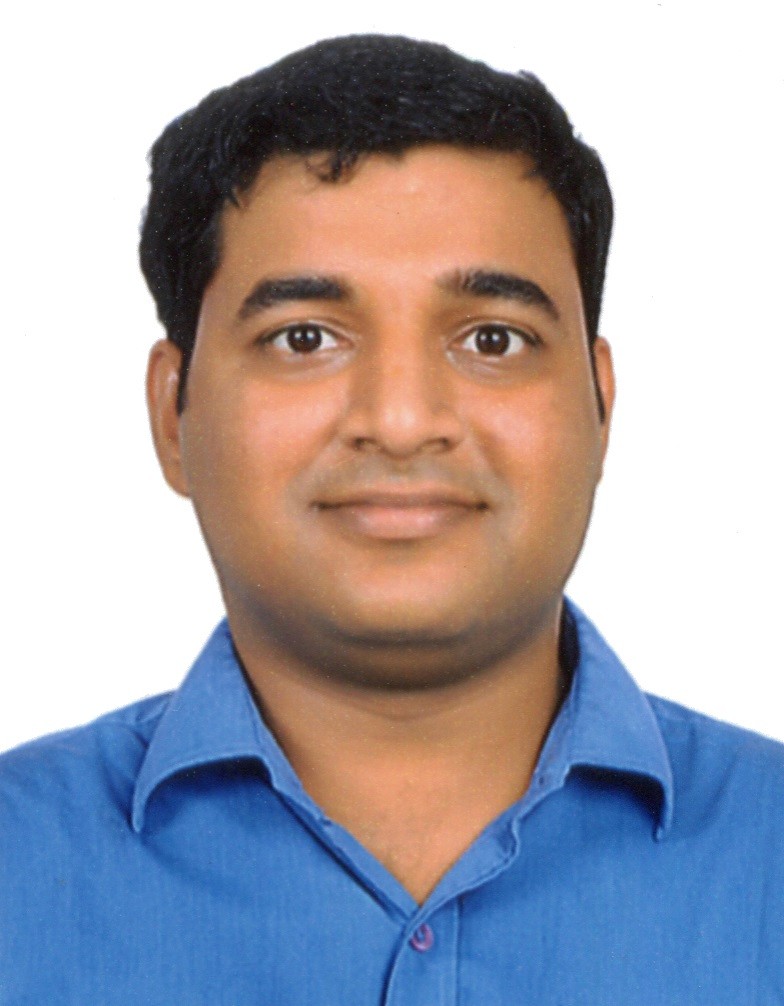
Jaya Prakash
Jaya Prakash
Jaya Prakash
Associate Professor
Department of Instrumentation and Applied Physics, IISc
Personal website
Associate Professor
Department of Instrumentation and Applied Physics, IISc
Personal website
Associate Professor
Department of Instrumentation and Applied Physics, IISc
Personal website
Co-Principal Investigators
Co-Principal Investigators
Co-Principal Investigators

Prabhdeep Kaur
Prabhdeep Kaur
Prabhdeep Kaur
Chair and Professor
Isaac Centre for Public Health, IISc
Personal website
Chair and Professor
Isaac Centre for Public Health, IISc
Personal website
Chair and Professor
Isaac Centre for Public Health, IISc
Personal website

Sriram Ganapathy
Sriram Ganapathy
Sriram Ganapathy
Associate Professor
Department of Electrical Engineering, IISc
Personal website
Associate Professor
Department of Electrical Engineering, IISc
Personal website
Associate Professor
Department of Electrical Engineering, IISc
Personal website
Team
Team
Team
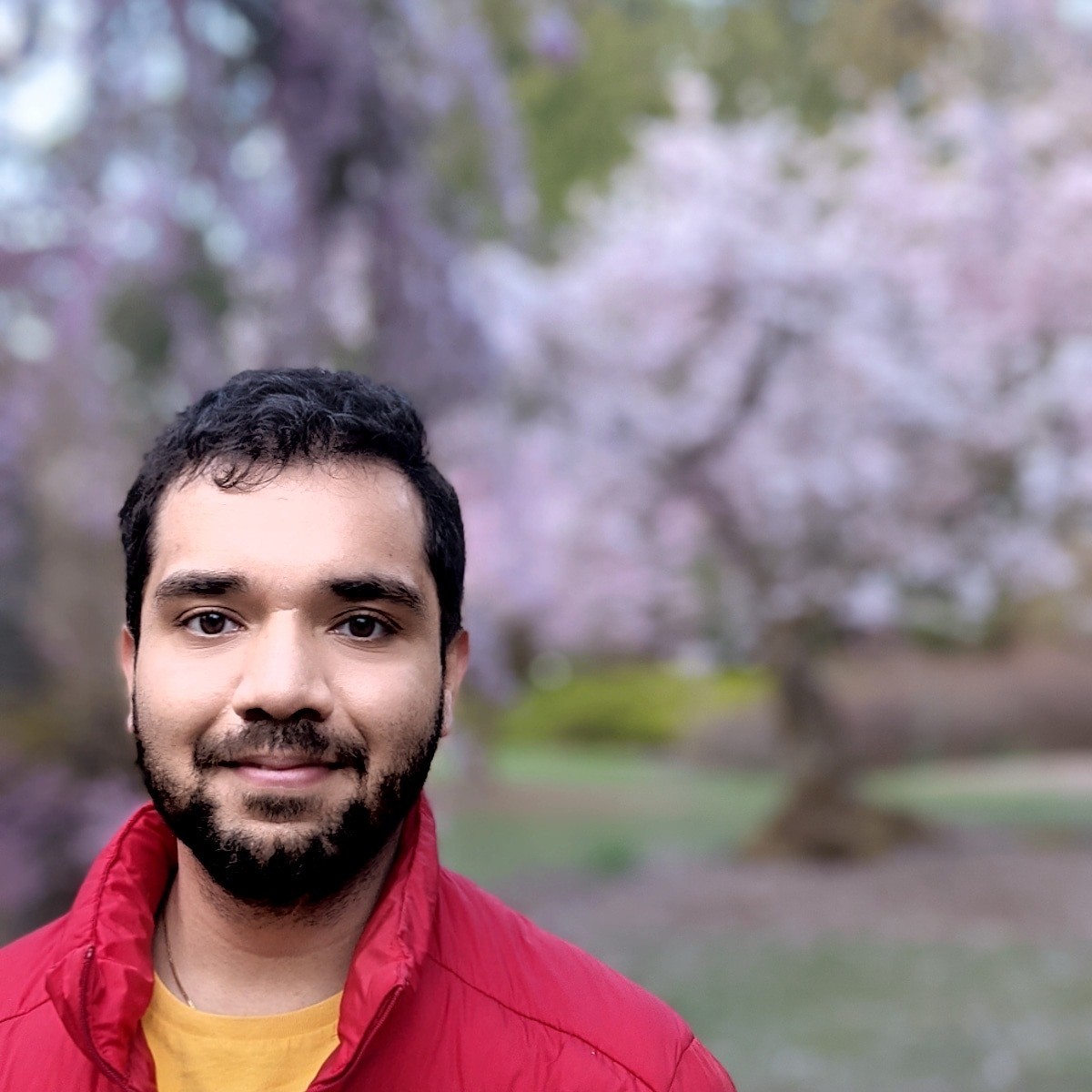
Arihant Kochhar
Arihant Kochhar
Arihant Kochhar
Program Manager
Program Manager
Program Manager

Jawad T P
Jawad T P
Jawad T P
Project Scientist
Project Scientist
Project Scientist

Dr. Lakshmi Krishnan
Dr. Lakshmi Krishnan
Dr. Lakshmi Krishnan
Specialist Scientist
Specialist Scientist
Specialist Scientist

Usha Adiga
Usha Adiga
Usha Adiga
Chief Clinical Scientist
Chief Clinical Scientist
Chief Clinical Scientist

Gunjan Singh
Gunjan Singh
Gunjan Singh
Clinical Coordinator
Clinical Coordinator
Clinical Coordinator
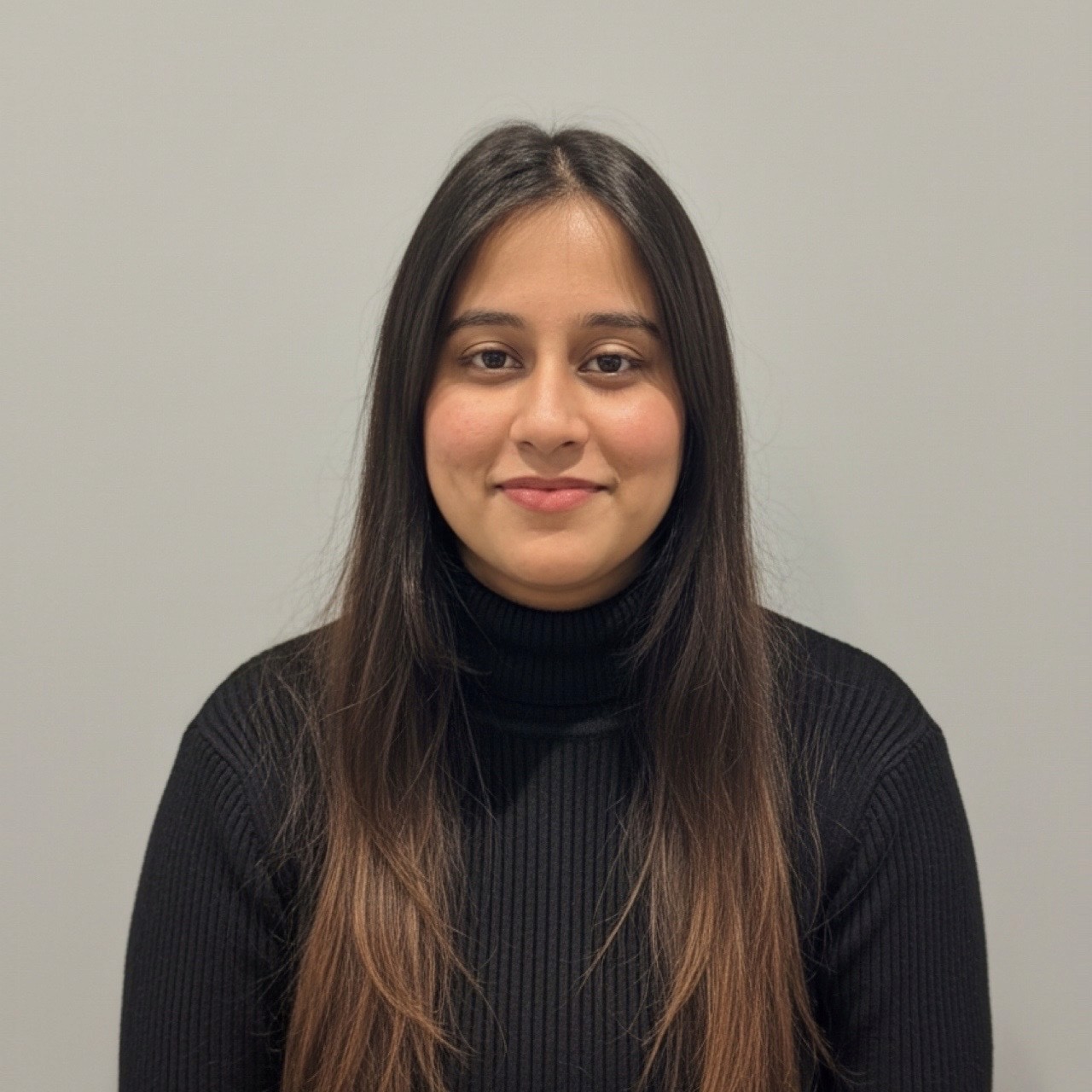
Sonie Sait
Sonie Sait
Sonie Sait
Junior Public Health Specialist
Junior Public Health Specialist
Junior Public Health Specialist

Pritha Jaipal
Pritha Jaipal
Pritha Jaipal
Early Stage Researcher
Early Stage Researcher
Early Stage Researcher

Subham Chakraborty
Subham Chakraborty
Subham Chakraborty
AI/ML Engineer
AI/ML Engineer
AI/ML Engineer
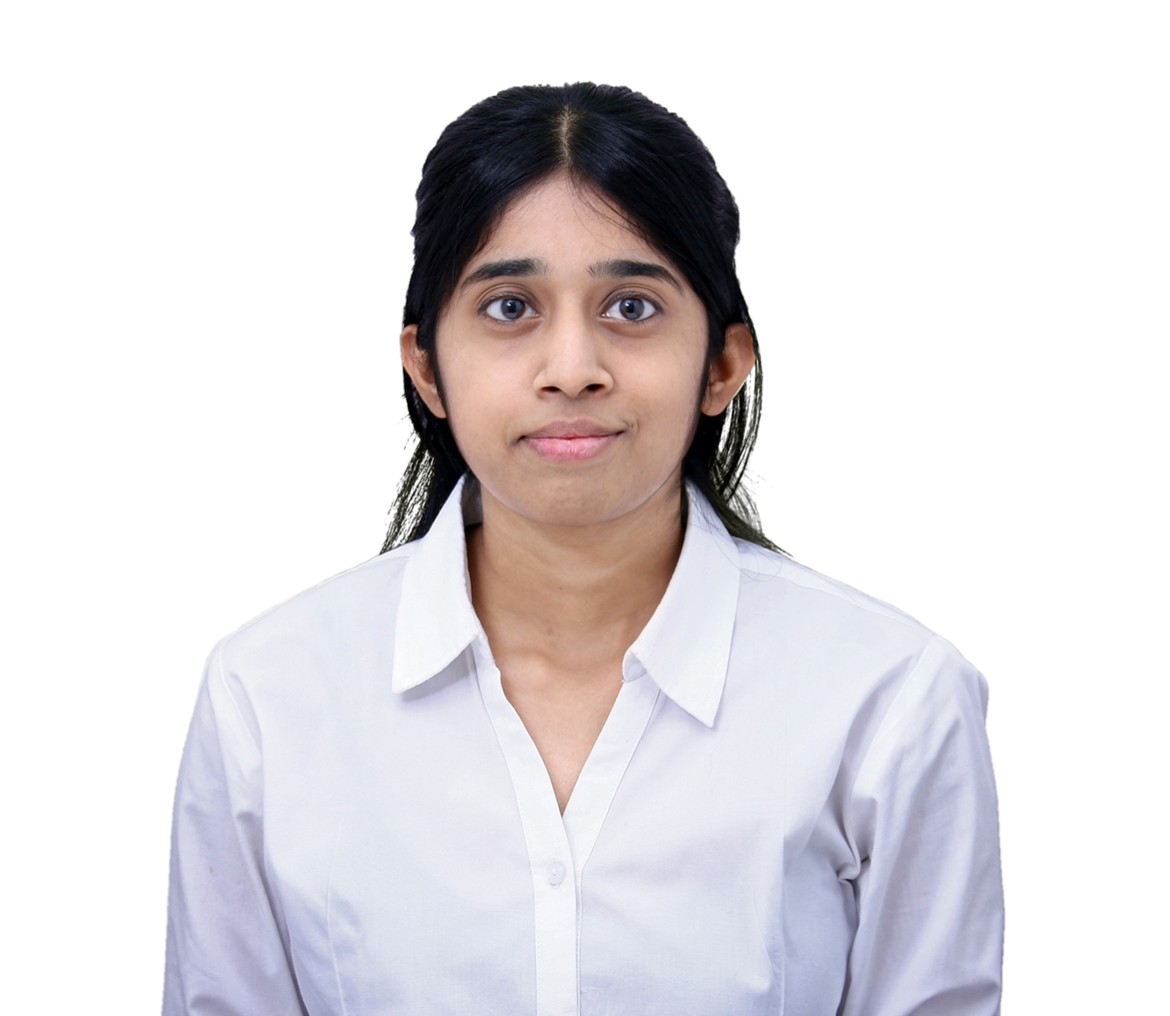
Sankeerthini D
Sankeerthini D
Sankeerthini D
Technical Staff Member
Technical Staff Member
Technical Staff Member
Partners & Collaborators
Partners & Collaborators

Get Involved
Get Involved
Get Involved
We’d love to hear from potential partners, researchers, and collaborators.
We’d love to hear from potential partners, researchers, and collaborators.
We’d love to hear from potential partners, researchers, and collaborators.
Contact us at diabetesmanagement@tanuh.ai
Contact us at diabetesmanagement@tanuh.ai
Contact us at diabetesmanagement@tanuh.ai
The AI Centre of Excellence in Healthcare

AI Centre of Excellence in Healthcare
Indian Institute of Science
Seventh Floor, TCS Smart-X Hub
Bengaluru, India - 560 012
Email: info@tanuh.ai
Telephone: (080) 2293 4106 | (080) 2293 4107
2026 by TANUH
The AI Centre of Excellence in Healthcare
AI Centre of Excellence in Healthcare
Indian Institute of Science
Seventh Floor, TCS Smart-X Hub
Bengaluru, India - 560 012
Email: info@tanuh.ai
Telephone: (080) 2293 4106 | (080) 2293 4107
2026 by TANUH
The AI Centre of Excellence in Healthcare
AI Centre of Excellence in Healthcare
Indian Institute of Science
Seventh Floor, TCS Smart-X Hub
Bengaluru, India - 560 012
Email: info@tanuh.ai
Telephone: (080) 2293 4106 | (080) 2293 4107
2026 by TANUH