Vascular Disease Screening
Vascular Disease Screening
Vascular Disease Screening
Enabling non-invasive screening of major vascular diseases via AI-driven fundus image analysis
Enabling non-invasive screening of major vascular diseases via AI-driven fundus image analysis
Enabling non-invasive screening of major vascular diseases via AI-driven fundus image analysis

Overview
Overview
Overview
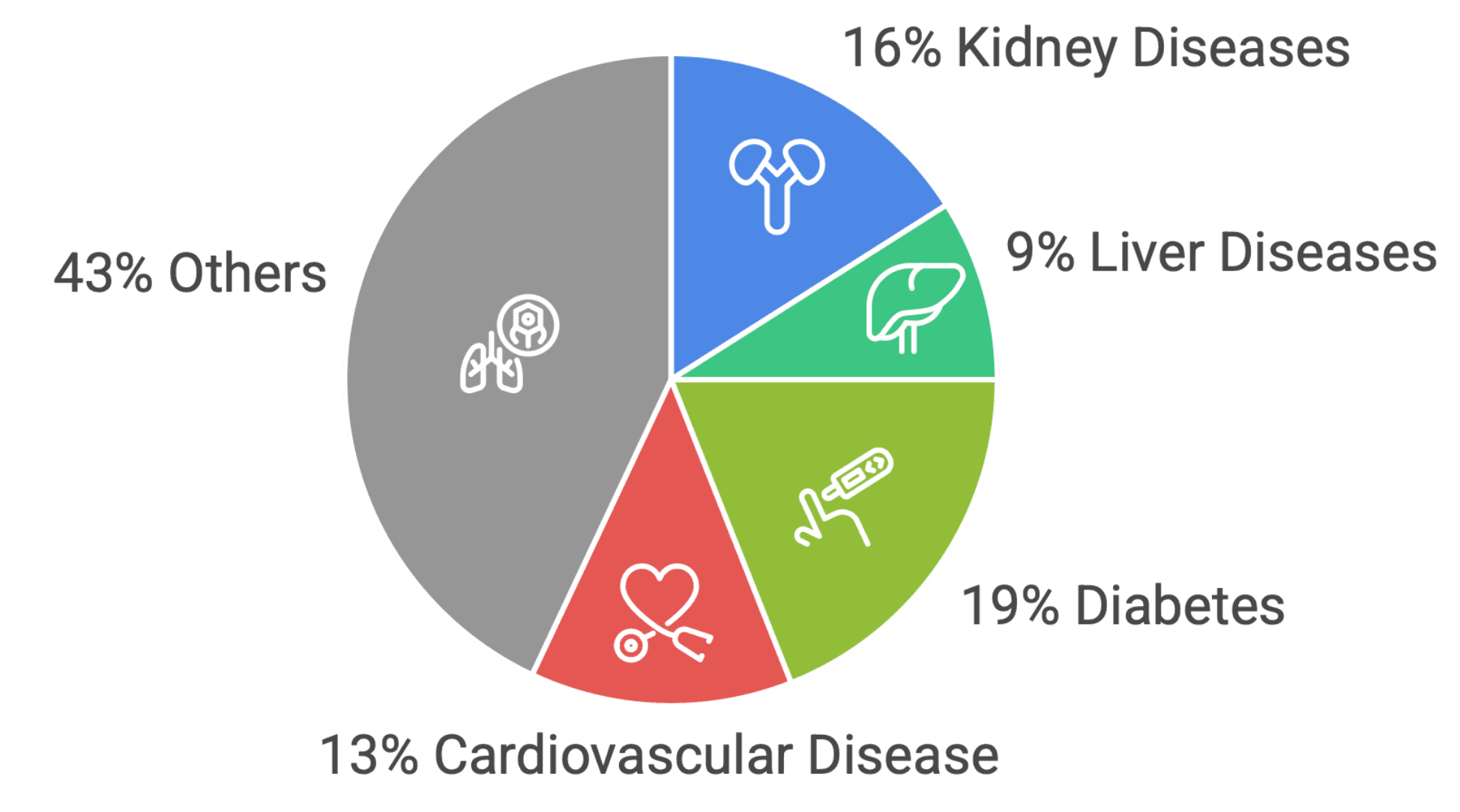
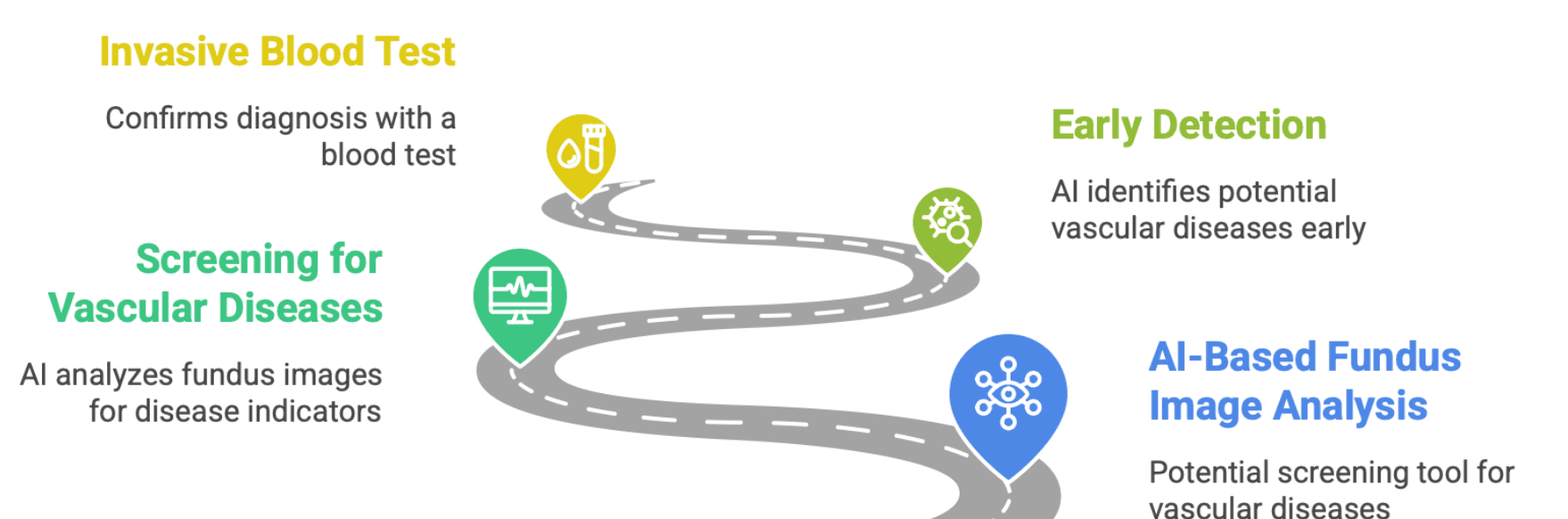
Vascular diseases present a major public health burden in India, with high prevalence in Diabetes (19%), Kidney Diseases (16%), Cardiovascular Diseases (13%), and Liver Diseases (9%). Currently relying on invasive blood tests, there is a critical clinical gap for rapid, non-invasive screening methods. To address this bottleneck, TANUH introduces an AI-driven screening tool using non-invasive fundus image analysis. By evaluating retinal microvascular structures, the AI model identifies early indicators of systemic vascular diseases and classifies them into a detailed taxonomy: Normal, Diabetic with Comorbidities, and Non-Diabetic Diseases.
Vascular diseases present a major public health burden in India, with high prevalence in Diabetes (19%), Kidney Diseases (16%), Cardiovascular Diseases (13%), and Liver Diseases (9%). Currently relying on invasive blood tests, there is a critical clinical gap for rapid, non-invasive screening methods. To address this bottleneck, TANUH introduces an AI-driven screening tool using non-invasive fundus image analysis. By evaluating retinal microvascular structures, the AI model identifies early indicators of systemic vascular diseases and classifies them into a detailed taxonomy: Normal, Diabetic with Comorbidities, and Non-Diabetic Diseases.
Vascular diseases present a major public health burden in India, with high prevalence in Diabetes (19%), Kidney Diseases (16%), Cardiovascular Diseases (13%), and Liver Diseases (9%). Currently relying on invasive blood tests, there is a critical clinical gap for rapid, non-invasive screening methods. To address this bottleneck, TANUH introduces an AI-driven screening tool using non-invasive fundus image analysis. By evaluating retinal microvascular structures, the AI model identifies early indicators of systemic vascular diseases and classifies them into a detailed taxonomy: Normal, Diabetic with Comorbidities, and Non-Diabetic Diseases.
Our Goal
Our Goal
Our Goal
Shift the Paradigm of Vascular Disease Screening
Shift the Paradigm of Vascular Disease Screening
Shift the Paradigm of Vascular Disease Screening
Reduce the clinical reliance on invasive blood tests as the initial screening method, significantly lowering the barrier to early diagnosis and proactive disease management for the most prevalent vascular conditions in India.
Reduce the clinical reliance on invasive blood tests as the initial screening method, significantly lowering the barrier to early diagnosis and proactive disease management for the most prevalent vascular conditions in India.
Reduce the clinical reliance on invasive blood tests as the initial screening method, significantly lowering the barrier to early diagnosis and proactive disease management for the most prevalent vascular conditions in India.
Establish a Frictionless Clinical Pipeline
Establish a Frictionless Clinical Pipeline
Establish a Frictionless Clinical Pipeline
Successfully integrate non-invasive fundus imaging and AI analysis directly into general medicine waiting rooms, creating a seamless, automated workflow from patient intake to physician confirmation without disrupting existing clinic operations.
Successfully integrate non-invasive fundus imaging and AI analysis directly into general medicine waiting rooms, creating a seamless, automated workflow from patient intake to physician confirmation without disrupting existing clinic operations.
Successfully integrate non-invasive fundus imaging and AI analysis directly into general medicine waiting rooms, creating a seamless, automated workflow from patient intake to physician confirmation without disrupting existing clinic operations.
Enable Precise Diagnostic Stratification
Enable Precise Diagnostic Stratification
Enable Precise Diagnostic Stratification
Develop and rigorously validate AI models capable of classifying patient scans into a detailed taxonomy, accurately distinguishing between normal retinas, diabetic cases with specific comorbidities (liver, cardiac, CKD), and non-diabetic cases with similar systemic diseases.
Develop and rigorously validate AI models capable of classifying patient scans into a detailed taxonomy, accurately distinguishing between normal retinas, diabetic cases with specific comorbidities (liver, cardiac, CKD), and non-diabetic cases with similar systemic diseases.
Develop and rigorously validate AI models capable of classifying patient scans into a detailed taxonomy, accurately distinguishing between normal retinas, diabetic cases with specific comorbidities (liver, cardiac, CKD), and non-diabetic cases with similar systemic diseases.
Achieve Robust Model Generalizability at Scale
Achieve Robust Model Generalizability at Scale
Achieve Robust Model Generalizability at Scale
Target a massive patient enrollment of up to 100,000 participants (with a minimum baseline of 30,000) to construct a highly diverse dataset, ensuring the AI screening solution is robust, unbiased, and broadly applicable across varying demographics.
Target a massive patient enrollment of up to 100,000 participants (with a minimum baseline of 30,000) to construct a highly diverse dataset, ensuring the AI screening solution is robust, unbiased, and broadly applicable across varying demographics.
Target a massive patient enrollment of up to 100,000 participants (with a minimum baseline of 30,000) to construct a highly diverse dataset, ensuring the AI screening solution is robust, unbiased, and broadly applicable across varying demographics.
Our Solution
Our Solution
Our Solution
Clinical Implementation Pipeline:
Clinical Implementation Pipeline:
Clinical Implementation Pipeline:
Patient Intake
Patient Intake
Patient Intake
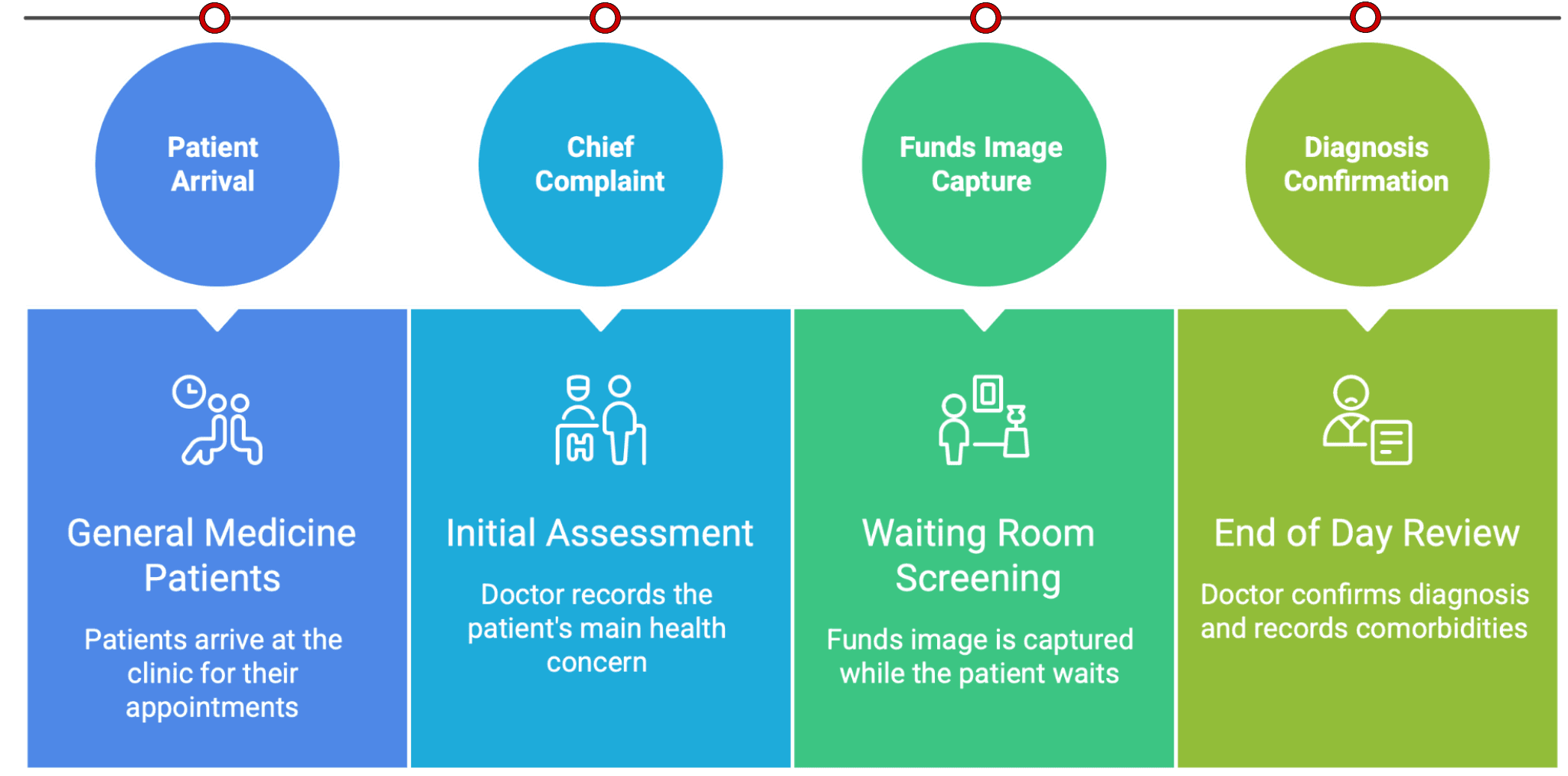
Patients arrive at the clinic, and their chief health complaints are recorded.
Patients arrive at the clinic, and their chief health complaints are recorded.
Patients arrive at the clinic, and their chief health complaints are recorded.
Waiting Room Screening
Waiting Room Screening
Waiting Room Screening
While the patient waits, a fundus image is efficiently captured.
While the patient waits, a fundus image is efficiently captured.
While the patient waits, a fundus image is efficiently captured.
AI Analysis
AI Analysis
AI Analysis
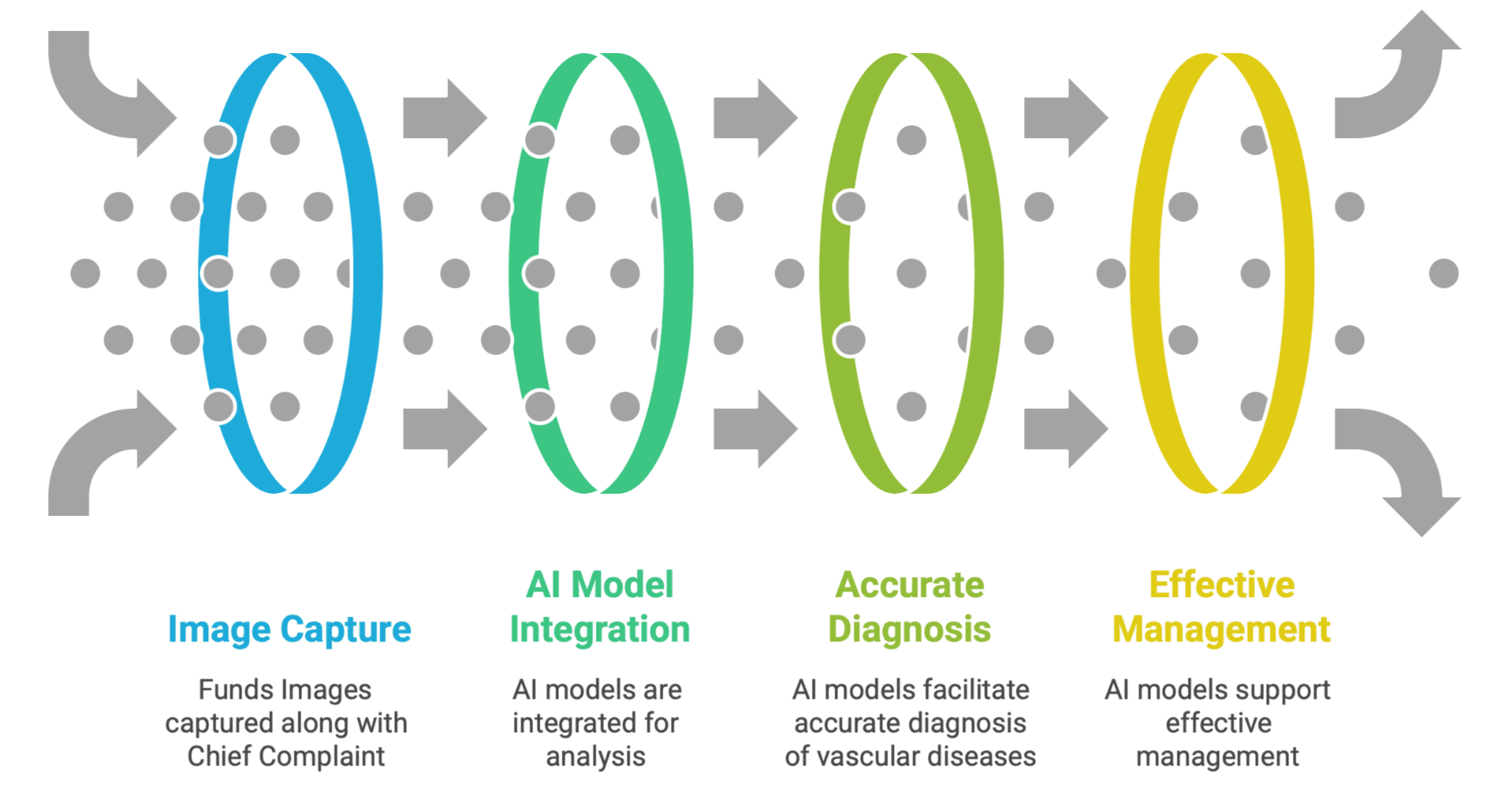
The integrated AI model immediately analyzes the captured images alongside the chief complaint to facilitate accurate preliminary diagnosis.
The integrated AI model immediately analyzes the captured images alongside the chief complaint to facilitate accurate preliminary diagnosis.
The integrated AI model immediately analyzes the captured images alongside the chief complaint to facilitate accurate preliminary diagnosis.
Physician Confirmation
Physician Confirmation
Physician Confirmation
At the end of the day, the attending doctor reviews the initial assessments to confirm the diagnosis and record any comorbidities.
At the end of the day, the attending doctor reviews the initial assessments to confirm the diagnosis and record any comorbidities.
At the end of the day, the attending doctor reviews the initial assessments to confirm the diagnosis and record any comorbidities.
Team & Collaborators
Team & Collaborators
Team & Collaborators
Principal Investigator
Principal Investigator
Principal Investigator
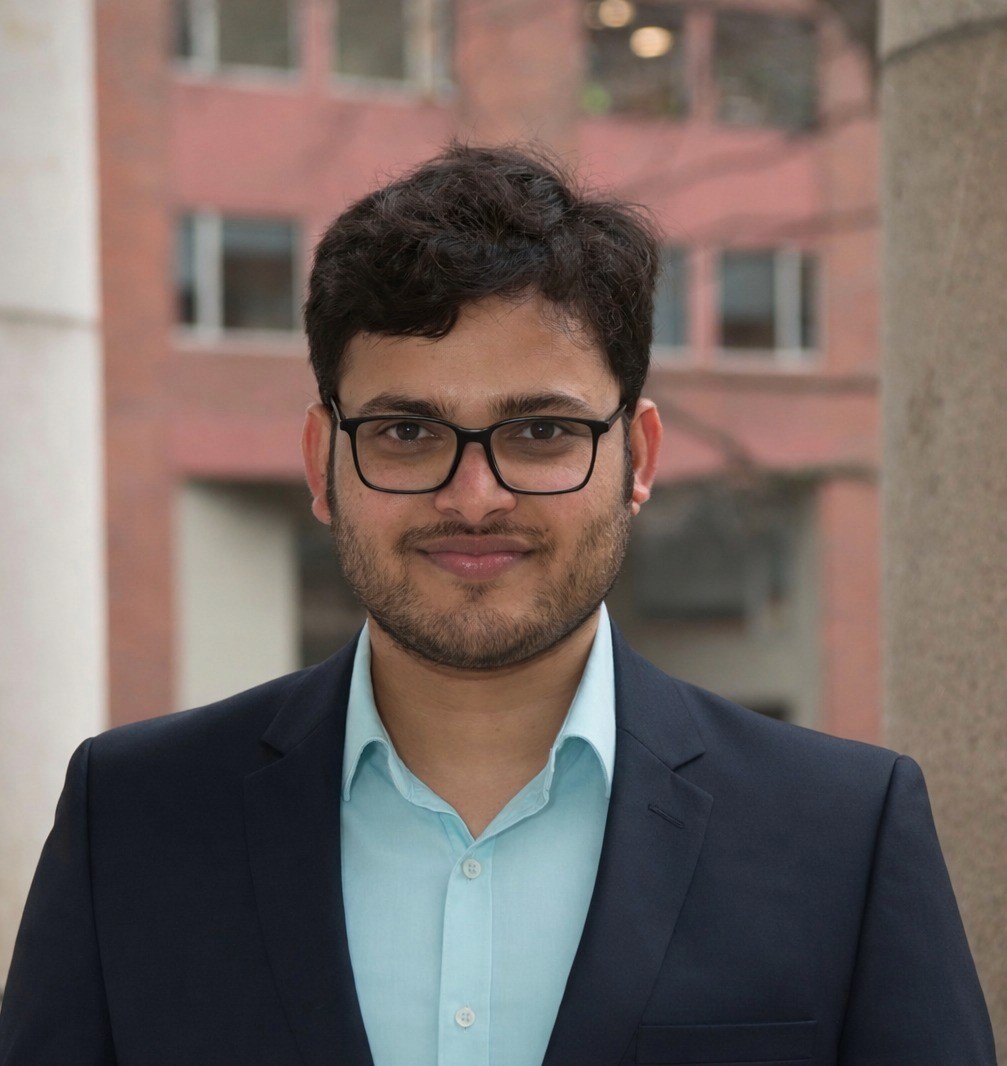
Bhaskara Rao Chintada
Bhaskara Rao Chintada
Bhaskara Rao Chintada
Assistant Professor
Department of Bioengineering, IISc
Personal website
Assistant Professor
Department of Bioengineering, IISc
Personal website
Assistant Professor
Department of Bioengineering, IISc
Personal website
Team
Team
Team

Venkata Sai Rohith Veluru
Venkata Sai Rohith Veluru
Venkata Sai Rohith Veluru
Clinical Specialist
Clinical Specialist
Clinical Specialist

Sivanjaneyulu Yalagala
Sivanjaneyulu Yalagala
Sivanjaneyulu Yalagala
Research Staff Member
Research Staff Member
Research Staff Member
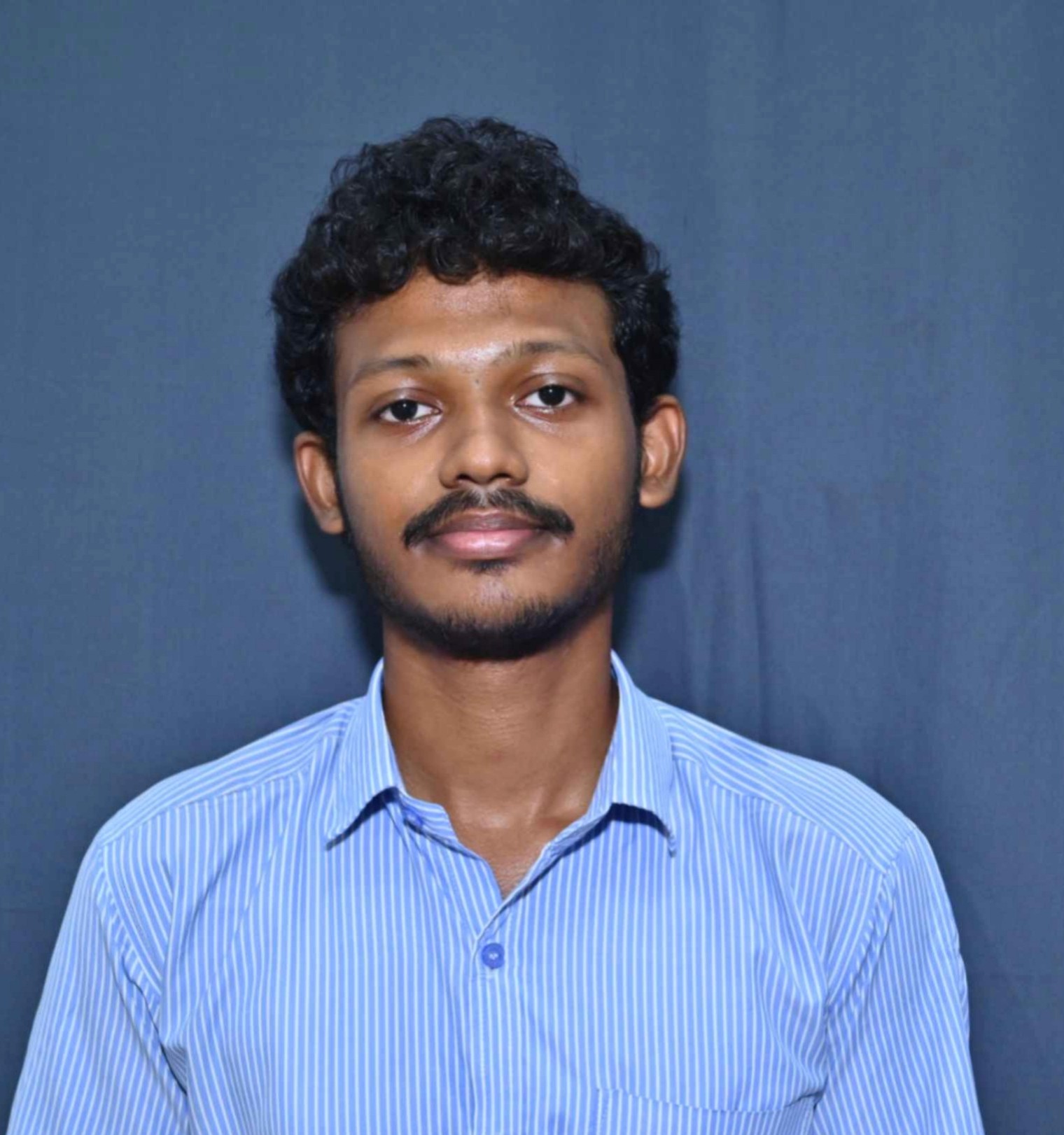
Mohan Kumar Manepalli
Mohan Kumar Manepalli
Mohan Kumar Manepalli
Technical Staff Member
Technical Staff Member
Technical Staff Member

Ronanki Avinash
Ronanki Avinash
Ronanki Avinash
Technical Staff Member
Technical Staff Member
Technical Staff Member

Suresh Sunkari
Suresh Sunkari
Suresh Sunkari
Technical Staff Member
Technical Staff Member
Technical Staff Member
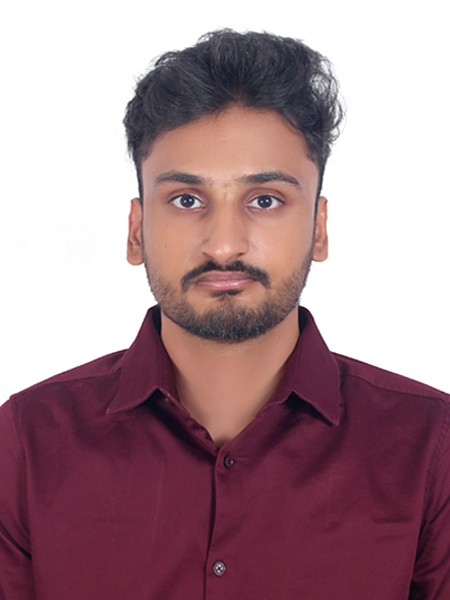
Bharath Kumar Ampolu
Bharath Kumar Ampolu
Bharath Kumar Ampolu
Technical Staff Member
Technical Staff Member
Technical Staff Member
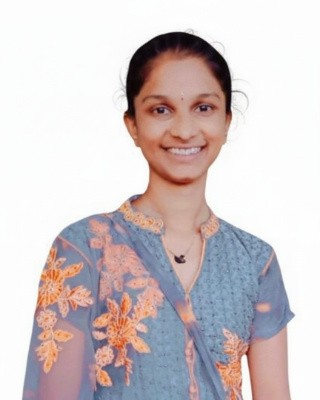
Ruchitha Korla
Ruchitha Korla
Ruchitha Korla
Intern
Intern
Intern
Partners & Collaborators
Partners & Collaborators
Partners & Collaborators

Get Involved
Get Involved
Get Involved
We’d love to hear from potential partners, researchers, and collaborators.
We’d love to hear from potential partners, researchers, and collaborators.
We’d love to hear from potential partners, researchers, and collaborators.
Contact us at vasculardiseasescreening@tanuh.ai
Contact us at vasculardiseasescreening@tanuh.ai
Contact us at vasculardiseasescreening@tanuh.ai
The AI Centre of Excellence in Healthcare

AI Centre of Excellence in Healthcare
Indian Institute of Science
Seventh Floor, TCS Smart-X Hub
Bengaluru, India - 560 012
Email: info@tanuh.ai
Telephone: (080) 2293 4106 | (080) 2293 4107
2026 by TANUH
The AI Centre of Excellence in Healthcare
AI Centre of Excellence in Healthcare
Indian Institute of Science
Seventh Floor, TCS Smart-X Hub
Bengaluru, India - 560 012
Email: info@tanuh.ai
Telephone: (080) 2293 4106 | (080) 2293 4107
2026 by TANUH
The AI Centre of Excellence in Healthcare
AI Centre of Excellence in Healthcare
Indian Institute of Science
Seventh Floor, TCS Smart-X Hub
Bengaluru, India - 560 012
Email: info@tanuh.ai
Telephone: (080) 2293 4106 | (080) 2293 4107
2026 by TANUH