Oral Cancer Screening
Oral Cancer Screening
Oral Cancer Screening
A point-of-care AI-enabled Screening tool for oral precancer and cancer
A point-of-care AI-enabled Screening tool for oral precancer and cancer
A point-of-care AI-enabled Screening tool for oral precancer and cancer

Overview
Overview
Overview
Oral cancer is a leading health challenge in India, with over 140,000 new cases diagnosed annually. The high incidence can be attributed to the widespread use of tobacco products, especially smokeless tobacco, areca nut, betel quid, and alcohol.
Almost 80,000 individuals succumb to the disease every year in India, mainly due to limited access to specialists, thus resulting in delayed diagnosis. Early detection of oral potentially malignant disorders (OPMDs) can dramatically reduce mortality and improve quality of life.
Problem Statement
Problem Statement
Problem Statement
India accounts for approximately one-third of all global oral cancer cases.
India accounts for approximately one-third of all global oral cancer cases.
India accounts for approximately one-third of all global oral cancer cases
140,000+
140,000+
New cases diagnosed annually in India
New cases diagnosed annually in India
New cases diagnosed annually in India
High incidence due to socio-cultural use of tobacco, areca nut, betel quid and alcohol.
High incidence due to socio-cultural use of tobacco, areca nut, betel quid and alcohol.
High incidence due to socio-cultural use of tobacco, areca nut, betel quid and alcohol.
80%
80%
Cancers diagnosed at advanced stages, despite being detectable earlier
Cancers diagnosed at advanced stages, despite being detectable earlier
Poor access to specialists, esp in low-resource settings
Poor access to specialists, esp in low-resource settings
Poor access to specialists, esp in low-resource settings
80,000
80,000
Individuals succumb to the disease every year
Individuals succumb to the disease every year
Individuals succumb to the disease every year
An Indian Problem
An Indian Problem
Standard of Care & Gap
Standard of Care & Gap
Standard of Care & Gap
Oral visual examination is an established method of screening to detect OPMDs or oral cancer. As per national guidelines for cancer screening, low-skilled frontline health workers are tasked with performing the oral visual examination.
Challenges
Challenges
Challenges
Low screening coverage <2%
Frontline Health Workers (FHWs) are overburdened
FHWs have low sensitivity compared with remote diagnosis by specialists; varied sensitivity despite training
Low screening coverage <2%
Frontline Health Workers (FHWs) are overburdened
FHWs have low sensitivity compared with remote diagnosis by specialists; varied sensitivity despite training
Low screening coverage <2%
Frontline Health Workers (FHWs) are overburdened
FHWs have low sensitivity compared with remote diagnosis by specialists; varied sensitivity despite training
Gap
Gap
Gap
Limited Access to Specialist-level diagnosis at scale at primary care
Limited Access to Specialist-level diagnosis at scale at primary care
Limited Access to Specialist-level diagnosis at scale at primary care
Our Solution
Our Solution
Our Solution
Point-of-care
Al-enabled
Mobile phone-based tool
Task Shifting: specialist-level screening in the hands of Frontline Health workers (FHWs)
Point-of-care
Al-enabled
Mobile phone-based tool
Task Shifting: specialist-level screening in the hands of Frontline Health workers (FHWs)
Point-of-care
Al-enabled
Mobile phone-based tool
Task Shifting: specialist-level screening in the hands of Frontline Health workers (FHWs)
Our Solution
Our Solution
Our Solution
To address this, the IISc, along with its collaborators, a multidisciplinary team, has developed Aarogya Aarohan, an AI-powered mobile application that empowers frontline healthcare workers to screen for OPMD and oral cancers. This innovative solution bridges gaps in specialist access and enhances early detection in low-resource settings.
To address this, the IISc, along with its collaborators, a multidisciplinary team, has developed Aarogya Aarohan, an AI-powered mobile application that empowers frontline healthcare workers to screen for OPMD and oral cancers. This innovative solution bridges gaps in specialist access and enhances early detection in low-resource settings.
To address this, the IISc, along with its collaborators, a multidisciplinary team, has developed Aarogya Aarohan, an AI-powered mobile application that empowers frontline healthcare workers to screen for OPMD and oral cancers. This innovative solution bridges gaps in specialist access and enhances early detection in low-resource settings.
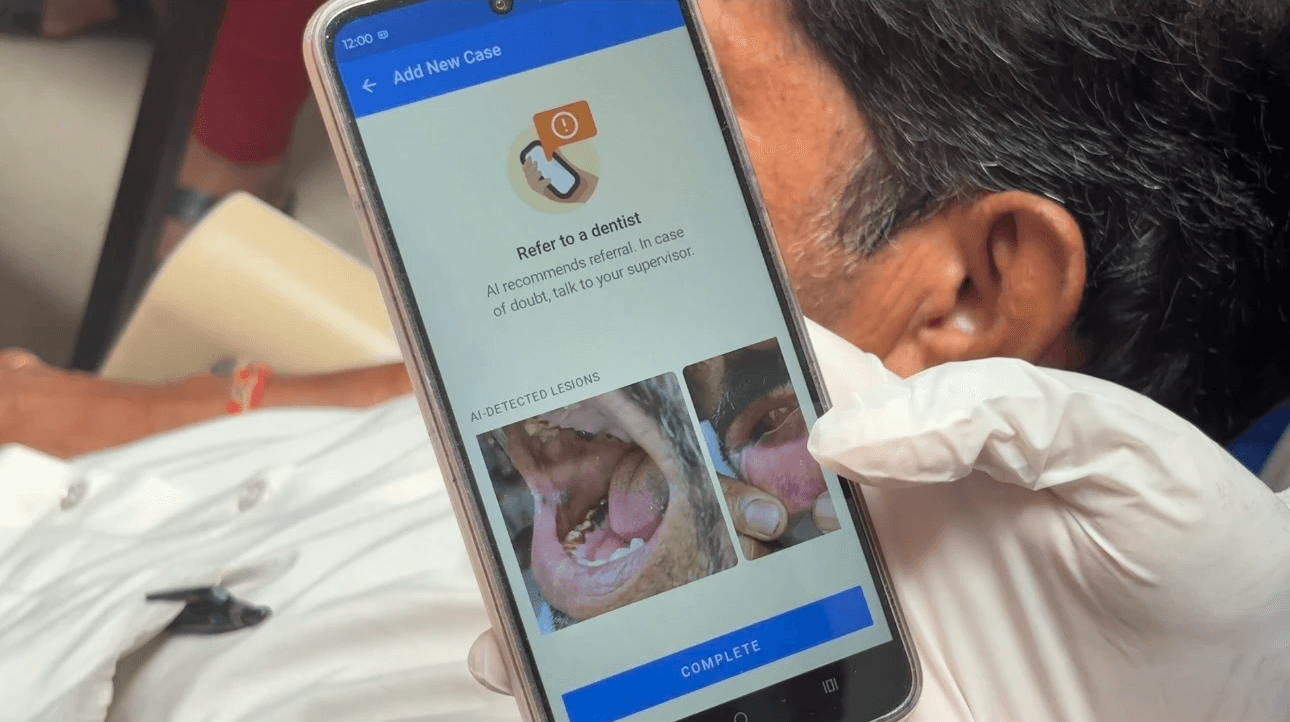


AI-enabled Aarogya Aarohan Mobile Application
AI-enabled Aarogya Aarohan Mobile Application
AI-enabled Aarogya Aarohan Mobile Application


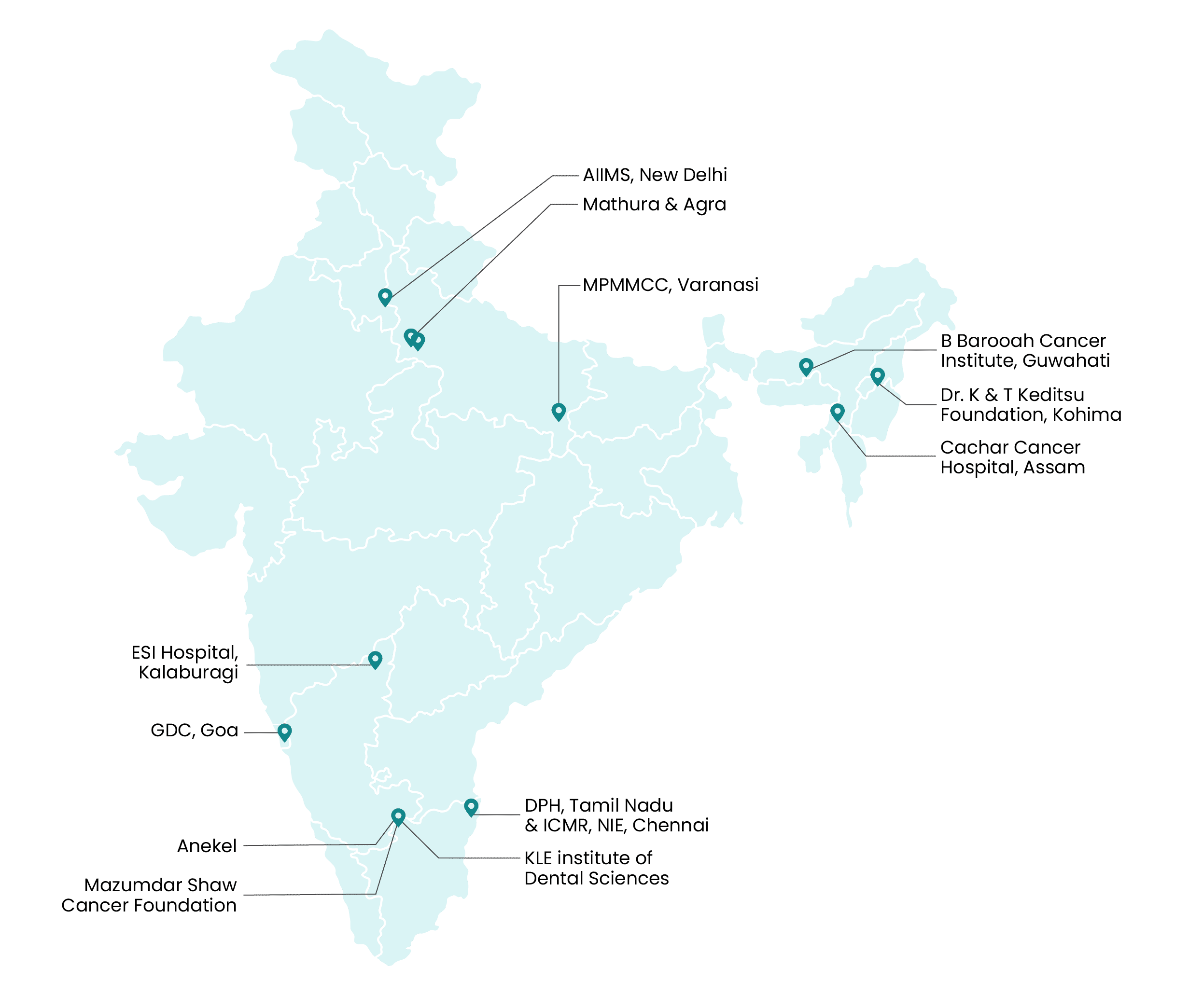
Deployment in 6 Districts Across 4 States & 9 Tertiary Care Centres
Deployment in 6 Districts Across 4 States & 9 Tertiary Care Centres
Deployment in 6 Districts Across 4 States & 9 Tertiary Care Centres



Team & Collaborators
Team & Collaborators
Team & Collaborators
IISc TEAM
IISc TEAM
IISc TEAM
Principal Investigator
Principal Investigator
Principal Investigator

Rajesh Sundaresan
Rajesh Sundaresan
Rajesh Sundaresan
Professor
Electrical Communication Engineering, IISc
Dean
Division of Electrical, Electronics and Computer Sciences, IISc
Personal website
Professor
Electrical Communication Engineering, IISc
Dean
Division of Electrical, Electronics and Computer Sciences, IISc
Personal website
Professor
Electrical Communication Engineering, IISc
Dean
Division of Electrical, Electronics and Computer Sciences, IISc
Personal website
Co-Principal Investigator
Co-Principal Investigator
Co-Principal Investigator
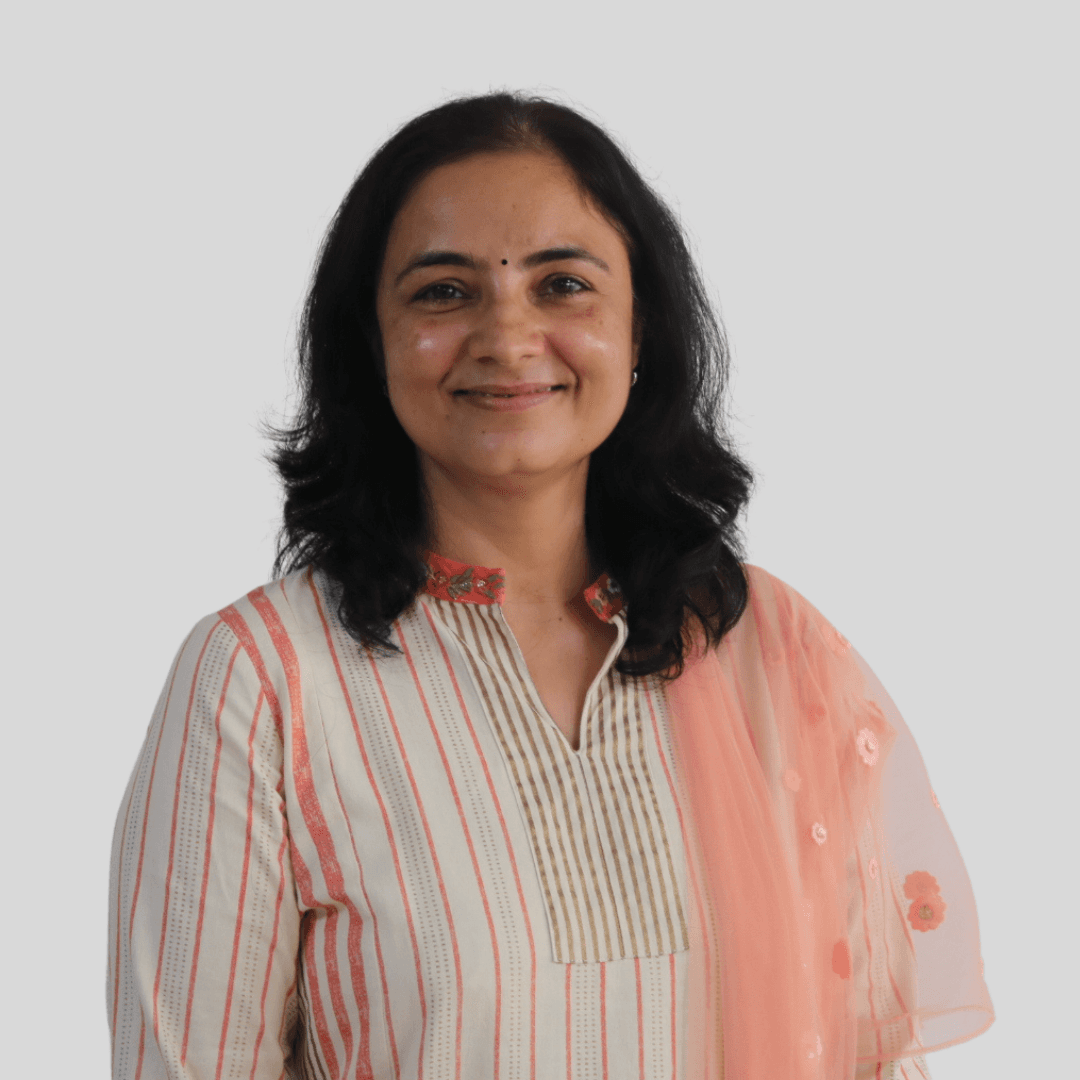
Prabhdeep Kaur
Prabhdeep Kaur
Prabhdeep Kaur
Chair and Professor
Isaac Centre for Public Health, IISc
Personal website
Chair and Professor
Isaac Centre for Public Health, IISc
Personal website
Chair and Professor
Isaac Centre for Public Health, IISc
Personal website

Debnath Pal
Debnath Pal
Debnath Pal
Professor
Computational and Data Sciences & Computational and Systems Biology, IISc
Personal website
Professor
Computational and Data Sciences & Computational and Systems Biology, IISc
Personal website
Professor
Computational and Data Sciences & Computational and Systems Biology, IISc
Personal website
Team
Team
Team
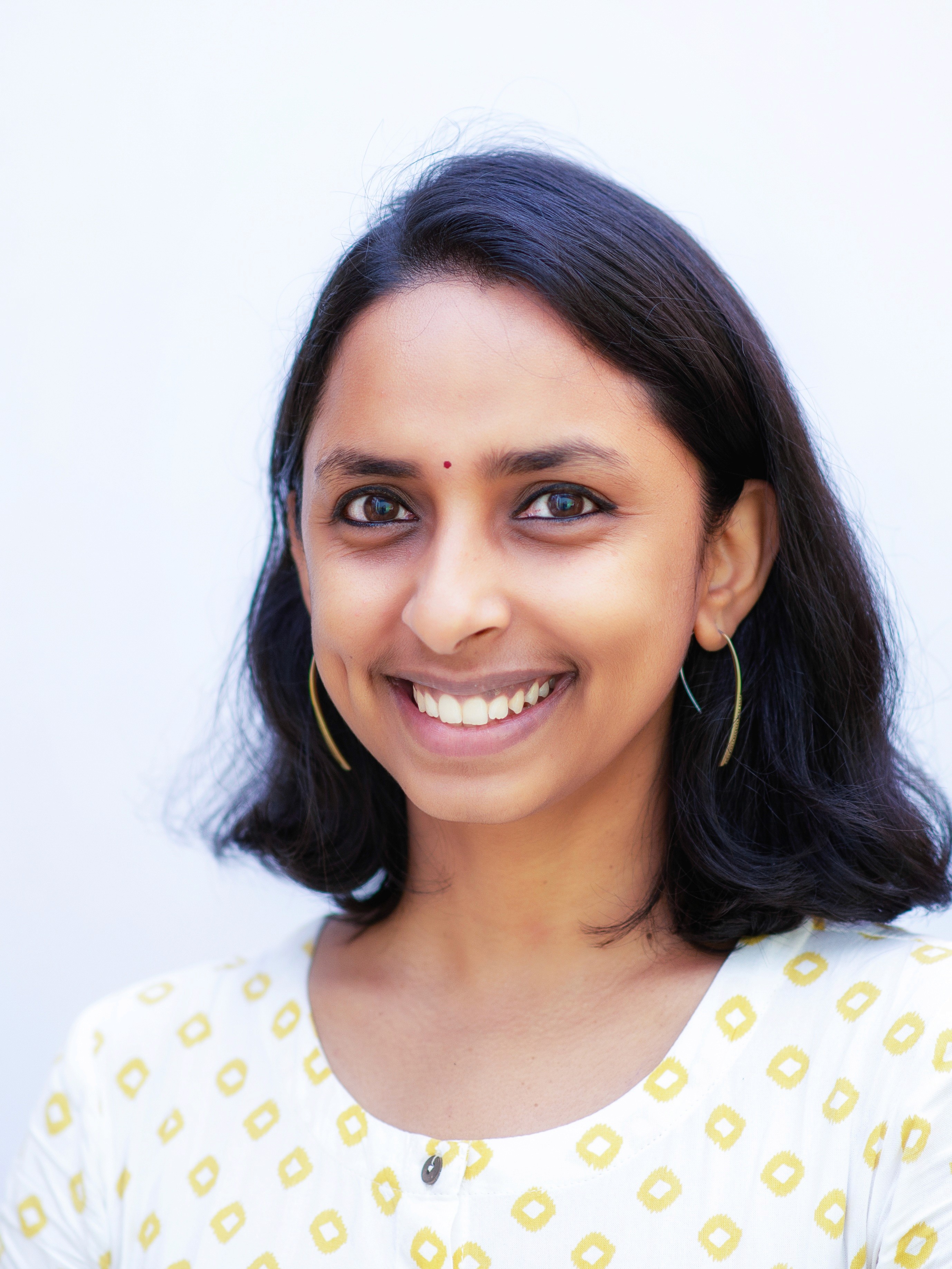
Lakshmi Krishnan
Lakshmi Krishnan
Lakshmi Krishnan
Sr. Program Manager
Sr. Program Manager
Sr. Program Manager

Leena Chavaan
Leena Chavaan
Leena Chavaan
Program Manager
Electrical Communication Engineering, IISc
Program Manager
Electrical Communication Engineering, IISc
Program Manager
Electrical Communication Engineering, IISc

Vaijesh Menkudale
Vaijesh Menkudale
Vaijesh Menkudale
Sr. Public Health Specialist
Sr. Public Health Specialist
Sr. Public Health Specialist

Dhamodharan Ramasamy
Dhamodharan Ramasamy
Dhamodharan Ramasamy
Sr. Public Health Specialist
Sr. Public Health Specialist
Sr. Public Health Specialist

Nadia Claire Mascarenhas E Dias
Nadia Claire Mascarenhas E Dias
Nadia Claire Mascarenhas E Dias
Sr. Public Health Specialist
Sr. Public Health Specialist
Sr. Public Health Specialist

Malavika Pradeep
Malavika Pradeep
Malavika Pradeep
Senior Technical Staff Member
Senior Technical Staff Member
Senior Technical Staff Member

Tejashree S
Tejashree S
Tejashree S
PhD Scholar
Electrical Communication Engineering, IISc
PhD Scholar
Electrical Communication Engineering, IISc
PhD Scholar
Electrical Communication Engineering, IISc

Ushanaa Kuri
Ushanaa Kuri
Ushanaa Kuri
Sr. Research Scientist (Engg)
Sr. Research Scientist (Engg)
Sr. Research Scientist (Engg)

Ninkush Aggarwal
Ninkush Aggarwal
Ninkush Aggarwal
Sr. Public Health Coordinator
Sr. Public Health Coordinator
Sr. Public Health Coordinator

Medhana Mohan Mangaonker
Medhana Mohan Mangaonker
Medhana Mohan Mangaonker
Clinical Specialist
Clinical Specialist
Clinical Specialist

Bhargabi Paul Majumder
Bhargabi Paul Majumder
Bhargabi Paul Majumder
Jr. Public Health Specialist
Jr. Public Health Specialist
Jr. Public Health Specialist

Aabha Singh
Aabha Singh
Aabha Singh
Jr. Public Health Specialist
Jr. Public Health Specialist
Jr. Public Health Specialist
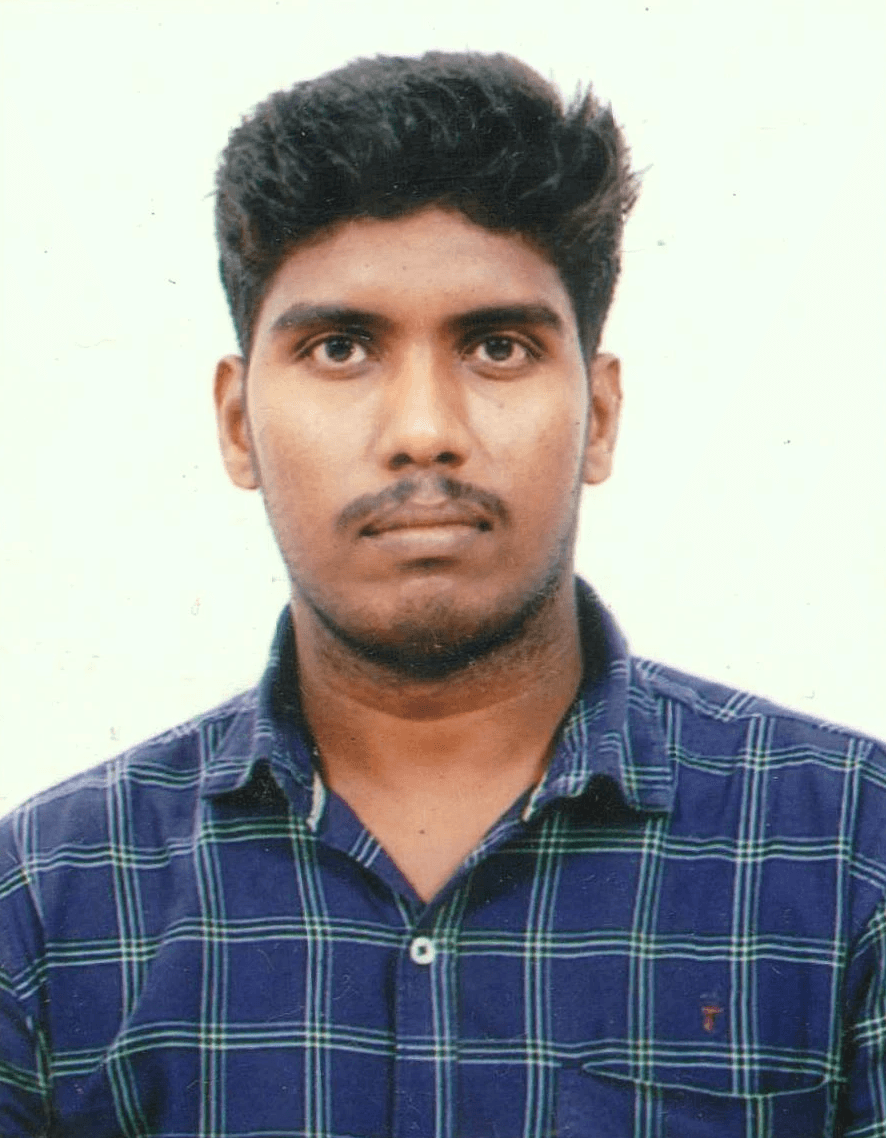
Arunkumar M
Arunkumar M
Arunkumar M
Field Supervisor
Field Supervisor
Field Supervisor

Minoshka Maria Sancha Teles
Minoshka Maria Sancha Teles
Minoshka Maria Sancha Teles
Field Supervisor
Field Supervisor
Field Supervisor

Chandan Kumar
Chandan Kumar
Chandan Kumar
Field Supervisor
Field Supervisor
Field Supervisor

Kumarasamy Rajendheren Sanmadi
Kumarasamy Rajendheren Sanmadi
Kumarasamy Rajendheren Sanmadi
Design Researcher
Design Researcher
Design Researcher

Savitesh Kushwaha
Savitesh Kushwaha
Savitesh Kushwaha
Jr. Statistician
Jr. Statistician
Jr. Statistician

Divya M S
Divya M S
Divya M S
Administrative Coordinator
Administrative Coordinator
Administrative Coordinator
KLE TEAM
KLE TEAM
KLE TEAM

Praveen Birur
Praveen Birur
Praveen Birur

Shubha G
Shubha G
Shubha G

Keerthi G
Keerthi G
Keerthi G

Harshita Thakur
Harshita Thakur
Harshita Thakur

Sumsum Sunny
Sumsum Sunny
Sumsum Sunny
AIIMS TEAM
AIIMS TEAM
AIIMS TEAM
Deepika Mishra
Deepika Mishra
Deepika Mishra
ICMR-NIE TEAM
ICMR-NIE TEAM
ICMR-NIE TEAM
P Ganeshkumar
P Ganeshkumar
P Ganeshkumar
Funding Sources
Funding Sources
Funding Sources





Partners & Collaborators
Partners & Collaborators
Partners & Collaborators


Updates & Announcements
Updates & Announcements
Updates & Announcements
IISc has received the Best Education Institute Exhibit of the Year at the India Mobile Congress 2025 for its AI-based oral cancer screening tool Aarogya Aarohan. Developed by IISc’s AI Centre of Excellence, TANUH, in collaboration with ARTPARK and Triveous, Aarogya Aarohan is a mobile phone–based, AI-powered, point-of-care tool that supports early detection of oral potentially malignant disorders and oral cancers.
Designed to be mobile-first, offline-first, and edge-deployed, the tool enables frontline health workers to capture and analyze oral images in real time, even in low-resource settings. It provides instant lesion classification to support timely referral and treatment, addressing a critical gap in early oral cancer detection in India.

Get Involved
Get Involved
Get Involved
Interested in supporting or learning more about this initiative?
Interested in supporting or learning more about this initiative?
Interested in supporting or learning more about this initiative?
Contact us at oralcancerscreening@tanuh.ai
Contact us at oralcancerscreening@tanuh.ai
Contact us at oralcancerscreening@tanuh.ai
The AI Centre of Excellence in Healthcare

AI Centre of Excellence in Healthcare
Indian Institute of Science
Seventh Floor, TCS Smart-X Hub
Bengaluru, India - 560 012
Email: info@tanuh.ai
Telephone: (080) 2293 4106 | (080) 2293 4107
2026 by TANUH
The AI Centre of Excellence in Healthcare
AI Centre of Excellence in Healthcare
Indian Institute of Science
Seventh Floor, TCS Smart-X Hub
Bengaluru, India - 560 012
Email: info@tanuh.ai
Telephone: (080) 2293 4106 | (080) 2293 4107
2026 by TANUH
The AI Centre of Excellence in Healthcare
AI Centre of Excellence in Healthcare
Indian Institute of Science
Seventh Floor, TCS Smart-X Hub
Bengaluru, India - 560 012
Email: info@tanuh.ai
Telephone: (080) 2293 4106 | (080) 2293 4107
2026 by TANUH