Renal Health
Renal Health
Renal Health
AI for Early Detection of Chronic Kidney Diseases
AI for Early Detection of Chronic Kidney Diseases
AI for Early Detection of Chronic Kidney Diseases

Overview
Overview
Overview
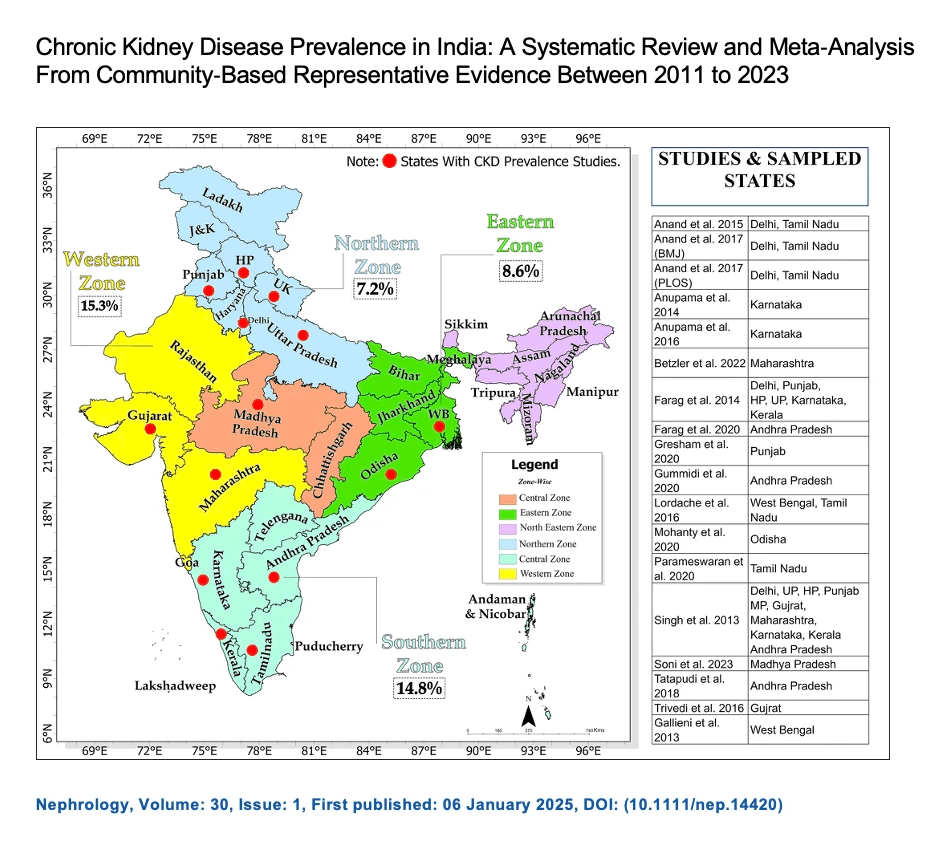
Chronic Kidney Disease (CKD) is a major global health challenge. Approximately 10-13% of the global population is affected by CKD. In India, CKD prevalence is estimated at 8-17%, with millions at risk of progressing to kidney failure requiring dialysis or transplantation, posing a major healthcare burden.
CKD often remains undiagnosed in early stages because symptoms appear only in advanced stages. Early detection can delay disease progression, reduce dialysis burden, and improve long-term patient outcomes.
Traditional diagnosis relies mainly on laboratory measurements such as estimated glomerular filtration rate (eGFR) and imaging interpretation by specialists. Hence, risk prediction tools help identify patients at highest risk of kidney failure. However, it has limited validation in Indian populations due to differences in demographics and disease patterns.
Chronic Kidney Disease (CKD) is a major global health challenge. Approximately 10-13% of the global population is affected by CKD. In India, CKD prevalence is estimated at 8-17%, with millions at risk of progressing to kidney failure requiring dialysis or transplantation, posing a major healthcare burden.
CKD often remains undiagnosed in early stages because symptoms appear only in advanced stages. Early detection can delay disease progression, reduce dialysis burden, and improve long-term patient outcomes.
Traditional diagnosis relies mainly on laboratory measurements such as estimated glomerular filtration rate (eGFR) and imaging interpretation by specialists. Hence, risk prediction tools help identify patients at highest risk of kidney failure. However, it has limited validation in Indian populations due to differences in demographics and disease patterns.
Chronic Kidney Disease (CKD) is a major global health challenge. Approximately 10-13% of the global population is affected by CKD. In India, CKD prevalence is estimated at 8-17%, with millions at risk of progressing to kidney failure requiring dialysis or transplantation, posing a major healthcare burden.
CKD often remains undiagnosed in early stages because symptoms appear only in advanced stages. Early detection can delay disease progression, reduce dialysis burden, and improve long-term patient outcomes.
Traditional diagnosis relies mainly on laboratory measurements such as estimated glomerular filtration rate (eGFR) and imaging interpretation by specialists. Hence, risk prediction tools help identify patients at highest risk of kidney failure. However, it has limited validation in Indian populations due to differences in demographics and disease patterns.
Our Solution
Our Solution
Our Solution
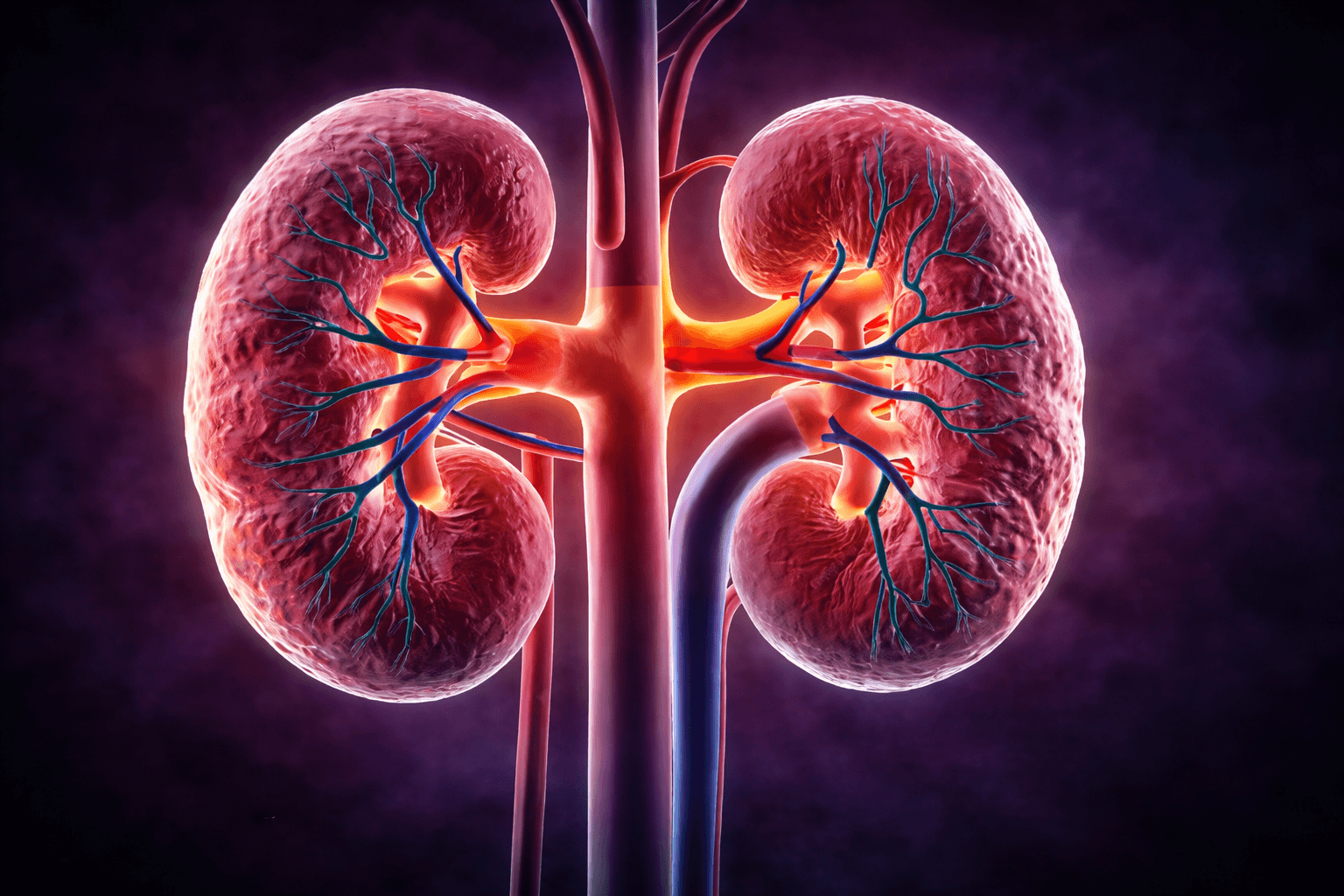
To address this TANUH is developing an AI-driven system that combines kidney ultrasound imaging and clinical parameters to detect early CKD and estimate kidney function; adapting and validating the Kidney Failure Risk Equation (KFRE) to improve prediction of kidney failure risk in the Indian CKD population.
To address this TANUH is developing an AI-driven system that combines kidney ultrasound imaging and clinical parameters to detect early CKD and estimate kidney function; adapting and validating the Kidney Failure Risk Equation (KFRE) to improve prediction of kidney failure risk in the Indian CKD population.
To address this TANUH is developing an AI-driven system that combines kidney ultrasound imaging and clinical parameters to detect early CKD and estimate kidney function; adapting and validating the Kidney Failure Risk Equation (KFRE) to improve prediction of kidney failure risk in the Indian CKD population.
Solution 1
Solution 1
Solution 1
To develop an AI-based multimodal model that integrates kidney ultrasound imaging and routine laboratory parameters to estimate kidney function and detect early CKD.
To develop an AI-based multimodal model that integrates kidney ultrasound imaging and routine laboratory parameters to estimate kidney function and detect early CKD.
To develop an AI-based multimodal model that integrates kidney ultrasound imaging and routine laboratory parameters to estimate kidney function and detect early CKD.
Goals
Goals
Goals
Early detection of kidney dysfunction
Early detection of kidney dysfunction
Early detection of kidney dysfunction
Improved risk stratification
Improved risk stratification
Improved risk stratification
Better clinical decision support for physicians
Better clinical decision support for physicians
Better clinical decision support for physicians
Key Features of the Solution:
Key Features of the Solution:
Key Features of the Solution:
Multimodal AI combining imaging and clinical data
Multimodal AI combining imaging and clinical data
Multimodal AI combining imaging and clinical data
Automated pattern recognition in ultrasound images
Automated pattern recognition in ultrasound images
Automated pattern recognition in ultrasound images
Early detection of subtle kidney changes not visible to the human eye
Early detection of subtle kidney changes not visible to the human eye
Early detection of subtle kidney changes not visible to the human eye
AI-assisted estimation of eGFR and CKD stage
AI-assisted estimation of eGFR and CKD stage
AI-assisted estimation of eGFR and CKD stage
Robust model validation and performance evaluation
Robust model validation and performance evaluation
Robust model validation and performance evaluation
Secure and Scalable:
Solution 2
Solution 2
Solution 2
To recalibrate and validate the KFRE model using Indian CKD cohort data to improve prediction accuracy for kidney failure risk.
To recalibrate and validate the KFRE model using Indian CKD cohort data to improve prediction accuracy for kidney failure risk.
To recalibrate and validate the KFRE model using Indian CKD cohort data to improve prediction accuracy for kidney failure risk.
Goals
Goals
Goals
Generate population-specific risk predictions
Generate population-specific risk predictions
Generate population-specific risk predictions
Improve clinical decsion-making
Improve clinical decsion-making
Improve clinical decsion-making
Support timely nephrology referral and dialysis planning
Support timely nephrology referral and dialysis planning
Support timely nephrology referral and dialysis planning
Key Features of the Solution:
Key Features of the Solution:
Key Features of the Solution:
Population-specific recalibration of KFRE
Population-specific recalibration of KFRE
Population-specific recalibration of KFRE
Integration with AI-based predictive models
Integration with AI-based predictive models
Integration with AI-based predictive models
Risk prediction for 2-year and 5-year kidney failure probability
Risk prediction for 2-year and 5-year kidney failure probability
Risk prediction for 2-year and 5-year kidney failure probability
Explainable AI methods for transparent risk interpretation
Explainable AI methods for transparent risk interpretation
Explainable AI methods for transparent risk interpretation
Clinical decision-support of risk prediction for Indian Cohort
Clinical decision-support of risk prediction for Indian Cohort
Clinical decision-support of risk prediction for Indian Cohort
Secure and Scalable:
Impact & Vision
Impact & Vision
Impact & Vision
Current Impact:
Current Impact:
Current Impact:
Develop AI Framework for Early CKD Detection
Improving Interpretation of Ultrasound Imaging
Enhance Clinical Research in Nephrology
Improved Understanding of CKD Progression in Indian Subjects
Validation of Risk Prediction Tools in Indian Cohorts
Develop AI Framework for Early CKD Detection
Improving Interpretation of Ultrasound Imaging
Enhance Clinical Research in Nephrology
Improved Understanding of CKD Progression in Indian Subjects
Validation of Risk Prediction Tools in Indian Cohorts
Develop AI Framework for Early CKD Detection
Improving Interpretation of Ultrasound Imaging
Enhance Clinical Research in Nephrology
Improved Understanding of CKD Progression in Indian Subjects
Validation of Risk Prediction Tools in Indian Cohorts
Future Vision:
Future Vision:
Future Vision:
Integration into Clinical Decision-Support Systems
Deployment in Resource-Limited Healthcare Settings
AI-Assisted Screening for Population-level Kidney Health Monitoring
Integration onto National Kidney Health Programs
Deployment within Hospital Electronic Health Systems
Enabling Data-Driven Nephrology Care Planning
Integration into Clinical Decision-Support Systems
Deployment in Resource-Limited Healthcare Settings
AI-Assisted Screening for Population-level Kidney Health Monitoring
Integration onto National Kidney Health Programs
Deployment within Hospital Electronic Health Systems
Enabling Data-Driven Nephrology Care Planning
Integration into Clinical Decision-Support Systems
Deployment in Resource-Limited Healthcare Settings
AI-Assisted Screening for Population-level Kidney Health Monitoring
Integration onto National Kidney Health Programs
Deployment within Hospital Electronic Health Systems
Enabling Data-Driven Nephrology Care Planning
Team & Collaborators
Team & Collaborators
Team & Collaborators
Principal Investigator
Principal Investigator
Principal Investigator
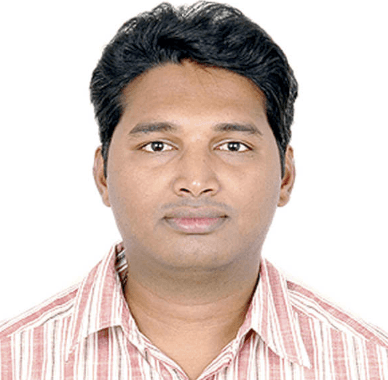
Phaneendra K. Yalavarthy
Phaneendra K. Yalavarthy
Phaneendra K. Yalavarthy
Professor
Department of Computational and Data Sciences, IISc
Personal website
Professor
Department of Computational and Data Sciences, IISc
Personal website
Professor
Department of Computational and Data Sciences, IISc
Personal website
Medical Principal Investigator
Medical Principal Investigator
Medical Principal Investigator
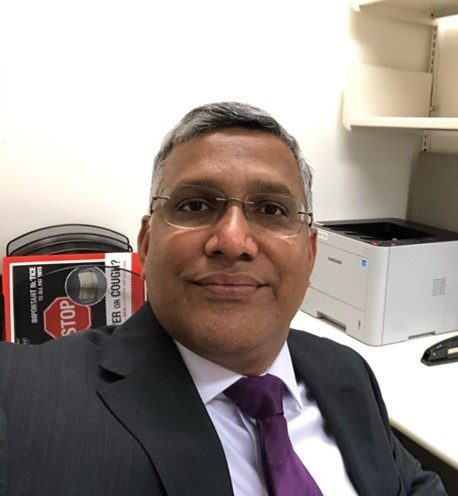
Sundar Swaminathan
Sundar Swaminathan
Sundar Swaminathan
Endowed Chair Professor & Head
Department of Nephrology,
Tata-IISc Medical School
Endowed Chair Professor & Head
Department of Nephrology,
Tata-IISc Medical School
Endowed Chair Professor & Head
Department of Nephrology,
Tata-IISc Medical School
Team
Team
Team
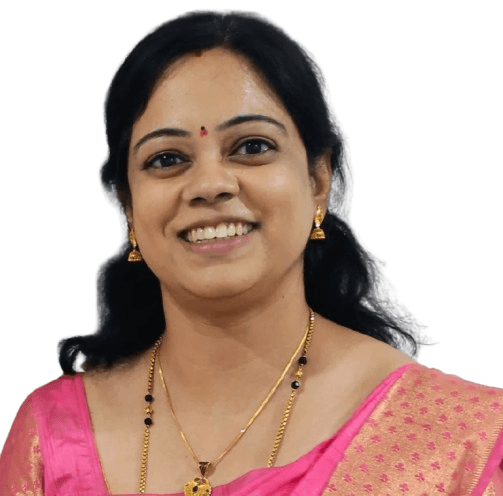
S. Hema Priyadarshini
S. Hema Priyadarshini
S. Hema Priyadarshini
Program Manager
Program Manager
Program Manager

Dr Minmini Selvam
Dr Minmini Selvam
Dr Minmini Selvam
Principal Clinical Scientist
Principal Clinical Scientist
Principal Clinical Scientist
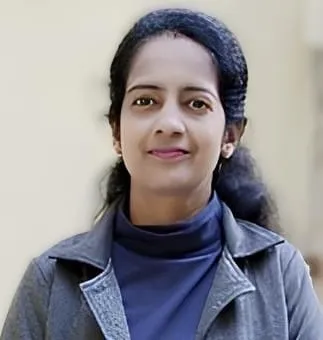
Usha Adiga
Usha Adiga
Usha Adiga
Chief Clinical Scientist
Chief Clinical Scientist
Chief Clinical Scientist

Rose Mary Thomas
Rose Mary Thomas
Rose Mary Thomas
Senior Technical Staff Member
Senior Technical Staff Member
Senior Technical Staff Member

Maligireddy Anjali
Maligireddy Anjali
Maligireddy Anjali
Senior Technical Staff Member
Senior Technical Staff Member
Senior Technical Staff Member
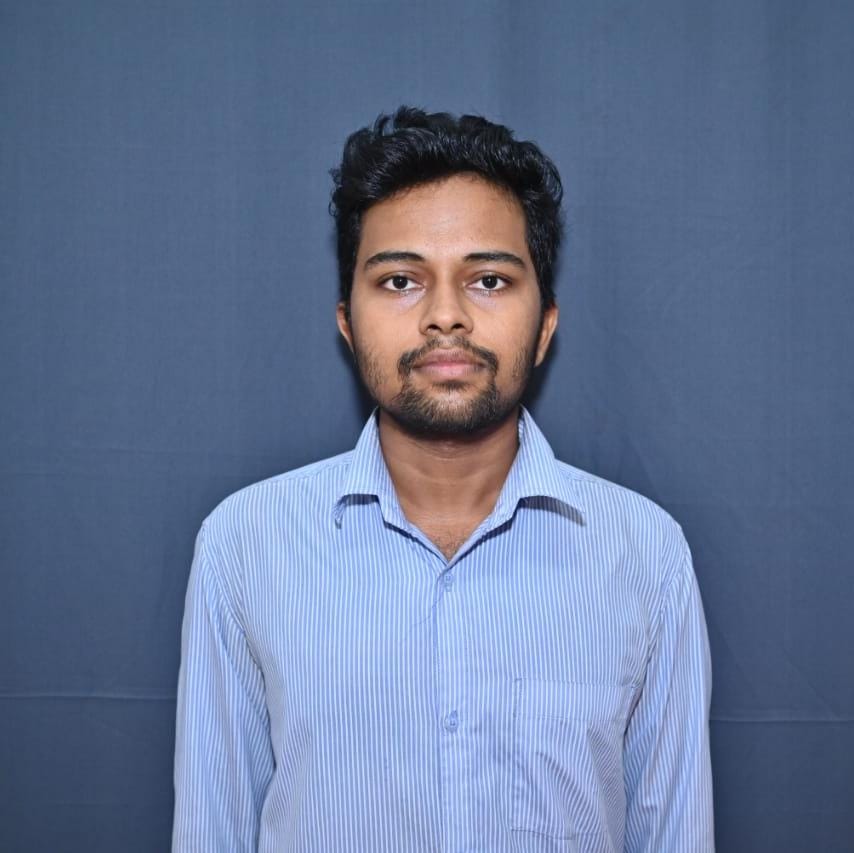
Venkata Ganesh Sirela
Venkata Ganesh Sirela
Venkata Ganesh Sirela
Technical Staff Member
Technical Staff Member
Technical Staff Member

Chakali Venkateswarlu
Chakali Venkateswarlu
Chakali Venkateswarlu
Technical Staff Member
Technical Staff Member
Technical Staff Member
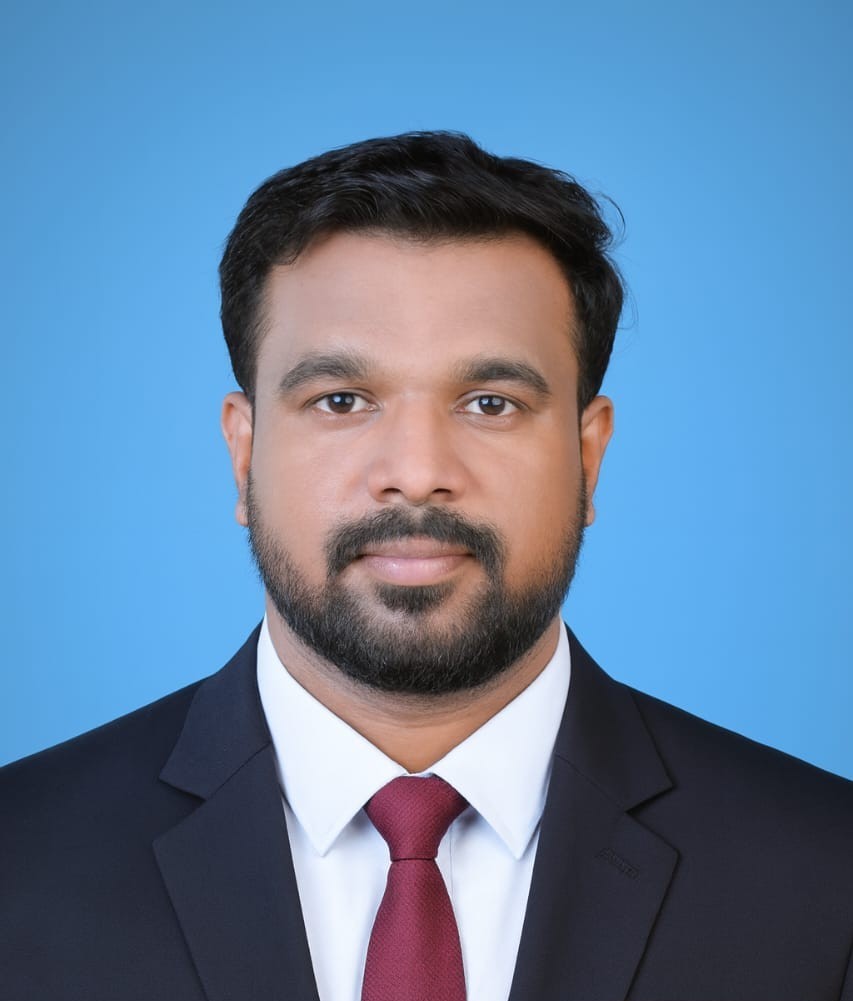
Ajo Babu George
Ajo Babu George
Ajo Babu George
Clinical Specialist
Clinical Specialist
Clinical Specialist

Nikhileswara Rao Sulake
Nikhileswara Rao Sulake
Nikhileswara Rao Sulake
Intern
Intern
Intern

Sai Manikanta Eswar Machara
Sai Manikanta Eswar Machara
Sai Manikanta Eswar Machara
Intern
Intern
Intern

Ramoju Raghavamsi
Ramoju Raghavamsi
Ramoju Raghavamsi
Engineering Intern
Engineering Intern
Engineering Intern
Partners and Collaborators
Partners and Collaborators














Get Involved
Get Involved
Get Involved
We invite collaborations with nephrologists and radiologists; AI researchers and data scientists; public health organizations; hospitals & healthcare institutions; and technology partners to advance impactful healthcare solutions.
We invite collaborations with nephrologists and radiologists; AI researchers and data scientists; public health organizations; hospitals & healthcare institutions; and technology partners to advance impactful healthcare solutions.
We invite collaborations with nephrologists and radiologists; AI researchers and data scientists; public health organizations; hospitals & healthcare institutions; and technology partners to advance impactful healthcare solutions.
Contact us at renalhealth@tanuh.ai
Contact us at renalhealth@tanuh.ai
Contact us at renalhealth@tanuh.ai
The AI Centre of Excellence in Healthcare

AI Centre of Excellence in Healthcare
Indian Institute of Science
Seventh Floor, TCS Smart-X Hub
Bengaluru, India - 560 012
Email: info@tanuh.ai
Telephone: (080) 2293 4106 | (080) 2293 4107
2026 by TANUH
The AI Centre of Excellence in Healthcare
AI Centre of Excellence in Healthcare
Indian Institute of Science
Seventh Floor, TCS Smart-X Hub
Bengaluru, India - 560 012
Email: info@tanuh.ai
Telephone: (080) 2293 4106 | (080) 2293 4107
2026 by TANUH
The AI Centre of Excellence in Healthcare
AI Centre of Excellence in Healthcare
Indian Institute of Science
Seventh Floor, TCS Smart-X Hub
Bengaluru, India - 560 012
Email: info@tanuh.ai
Telephone: (080) 2293 4106 | (080) 2293 4107
2026 by TANUH